
Why Wood Is the Perfect Material for Garden Structures
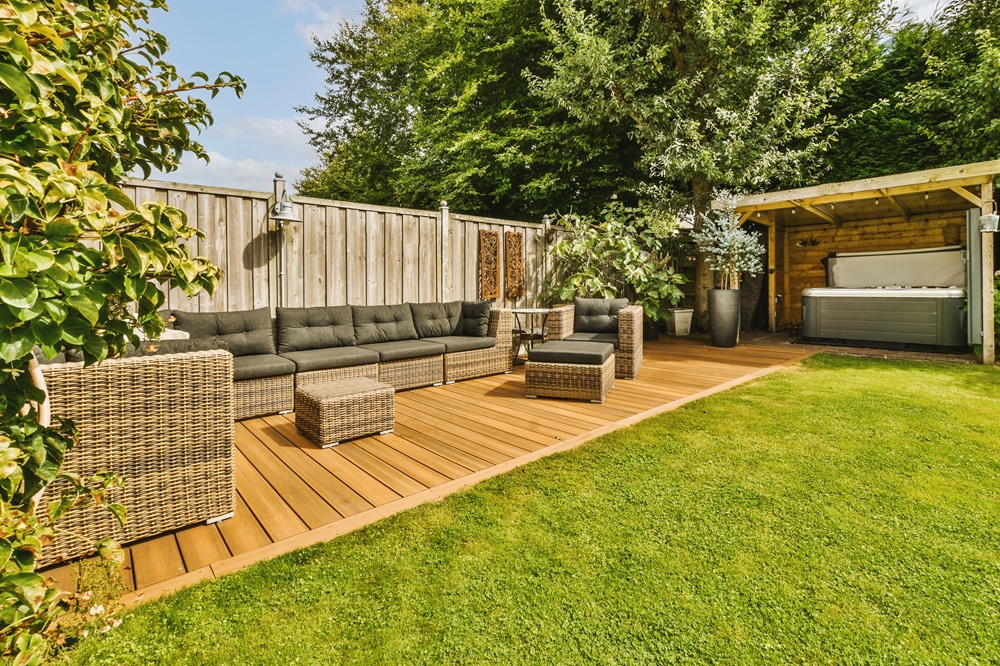
Wood is the perfect choice for garden structures thanks to its natural beauty, sustainability, versatility, and affordability. Its timeless charm enhances any outdoor space, creating a warm and inviting atmosphere. Discover why your garden deserves the elegance of wood.
The Natural Appeal of Wood in Garden Design
When it comes to creating a tranquil and visually appealing garden, few materials can rival the natural aesthetic of wood. Its inherent warmth and organic texture have an unmatched ability to seamlessly blend with outdoor environments, making it a top choice for those aiming to craft a harmonious garden escape. The grains and tones of wood naturally mimic the elements found in a garden, such as tree bark and leaves, enhancing the overall garden design. This connection to nature not only elevates the visual appeal but also provides a sense of calm and balance, crucial for any garden setting.
The benefits of wood in the garden include improving appearance and creating a natural, inviting atmosphere. Its versatility allows for diverse design possibilities, from rustic and traditional to sleek and modern. Whether you're building a pergola, a fence, or simple garden furnishings, the rich variance in wood's appearance can complement and elevate any design style. Additionally, as wood ages, it develops a unique patina that enhances its beauty even further, continuously contributing to the elegance of your outdoor space. This timeless quality of wood ensures that your garden remains not just a physical sanctuary, but an enduring embodiment of natural beauty.
Sustainability and Eco-Friendliness of Wooden Garden Structures
Choosing wood for your garden projects is a great way to support the environment, as it’s one of the most sustainable garden materials. Wood is biodegradable and renewable, so unlike synthetic materials that can fill landfills, it naturally breaks down and enriches the soil with minimal environmental impact. This decomposition process highlights the cyclical nature of wood, which, when sourced from responsibly managed forests, can be replenished through sustainable forestry practices.
The benefits of wood go beyond looks and practicality, making it a material that supports sustainability. Choosing wood helps reduce your carbon footprint, as it stores carbon dioxide absorbed while the tree was growing. Wooden structures also require far less energy to produce than materials like metal or concrete, making them an eco-friendly choice. By using wood in garden projects, you’re actively contributing to a greener, more sustainable planet.
Customisability and Versatility of Wood
One of the most compelling reasons to choose wood for garden projects is its inherent versatility of wood, which makes it an ideal material for crafting customisable garden structures. From contemporary outdoor retreats to quaint rustic sanctuaries, wood provides unmatched flexibility for garden design. Its natural ability to be cut, carved, and shaped allows for a wide range of design possibilities, meaning you can tailor your garden structures to precisely fit your aesthetic preferences and functional requirements. This versatility goes beyond appearance, also allowing for practical adjustments in size and shape to suit any garden space or requirement.
The ease with which wood can be altered is unmatched by many other materials, making it a superior choice for those looking to personalise their garden environment. The customisable garden structures that wood facilitates can range from intricate decorative elements to robust functional installations like pergolas, decks, and raised flower beds. Wood also takes well to a range of finishes—paints, stains, and sealants—allowing homeowners to customize their structures with colours and textures that fit their garden theme. This makes it easy to create a balanced, harmonious design, where every element fits the landscape and serves its purpose.
Durability and Maintenance of Wooden Garden Buildings
Wood is a strong and durable option for garden structures, especially with proper care. So, how long does garden wood last? With the right maintenance, it can remain functional and attractive for many years. With the right care and attention, wooden garden buildings can serve you for decades, proving to be a sound investment. The key to ensuring garden longevity lies in understanding the maintenance practices that protect wood from environmental elements such as moisture, pests, and UV rays. Regular treatments with preservatives or sealants can significantly enhance wood's durability by creating a protective barrier against these natural adversaries.
Taking care of your wooden garden structures can make them last much longer. Regularly check for signs of damage, like cracks or rot, and fix them quickly to prevent further problems. Make sure there’s good airflow and drainage around the wood to reduce moisture, which can cause decay. By keeping up with these simple maintenance steps, your garden structures will stay strong, attractive, and functional for years, showcasing the lasting beauty and versatility of wood. Regular cleaning and occasional refinishing can further enhance their durability and appearance.
Affordability and Lasting Value of Wood
Wood is a budget-friendly option for garden structures, making it an attractive choice for many homeowners. But why choose wooden garden structures? They typically cost less upfront compared to materials like metal or stone, providing good value without compromising on style or durability. This is largely due to the abundance and accessibility of wood, as well as the relatively simple tools and techniques required for its installation. Yet, the true financial benefit of wood lies in its long-term value, making it a smart investment for homeowners seeking both beauty and budget-friendliness in their garden designs.
When looking at wood’s long-term value, remember to consider the upkeep and replacement costs of other materials. Metal structures, for instance, may require significant upkeep to prevent rust and corrosion, potentially leading to higher costs over time. In contrast, with proper care, wooden structures can last for many years, and any repairs are typically simple and inexpensive. Wood's ability to be refinished or repurposed adds to its economic value. By choosing wood, you're not just saving on initial costs; you're also ensuring a durable, adaptable, and sustainable solution that continues to deliver value as your garden evolves.
Comparison with Metal: Wood as a Superior Choice for Garden Buildings
When considering materials for garden structures, a common question arises: is wood better than metal for garden buildings? While both materials have their merits, wood often emerges as the superior choice due to several compelling factors. Visually, wood offers a natural warmth and charm that enhances any garden setting, naturally blending with nature in a way that metal simply cannot match. The organic texture and diverse finishes available with wood provide a level of design versatility that allows for a more personalised and harmonious garden environment.
Here are some key benefits of wood over metal:
- Thermal Properties: Wood is a natural insulator, providing a cooler environment in summer and retaining warmth in winter, while metal can become excessively hot or cold, impacting plant health and garden enjoyment.
- Environmental Impact: Wood is a renewable resource that, when sourced sustainably, has a lower environmental footprint compared to metal, which often involves energy-intensive mining and processing.
- Cost and Maintenance: Wood generally requires less costly maintenance than metal, which is prone to rust and corrosion over time, potentially leading to expensive repairs or replacements.
These factors collectively underscore why wood remains the preferred choice for those seeking durable and attractive garden structures that respect both the environment and the budget.