
Seasonal Garden Structure Care Checklist (Spring to Winter)
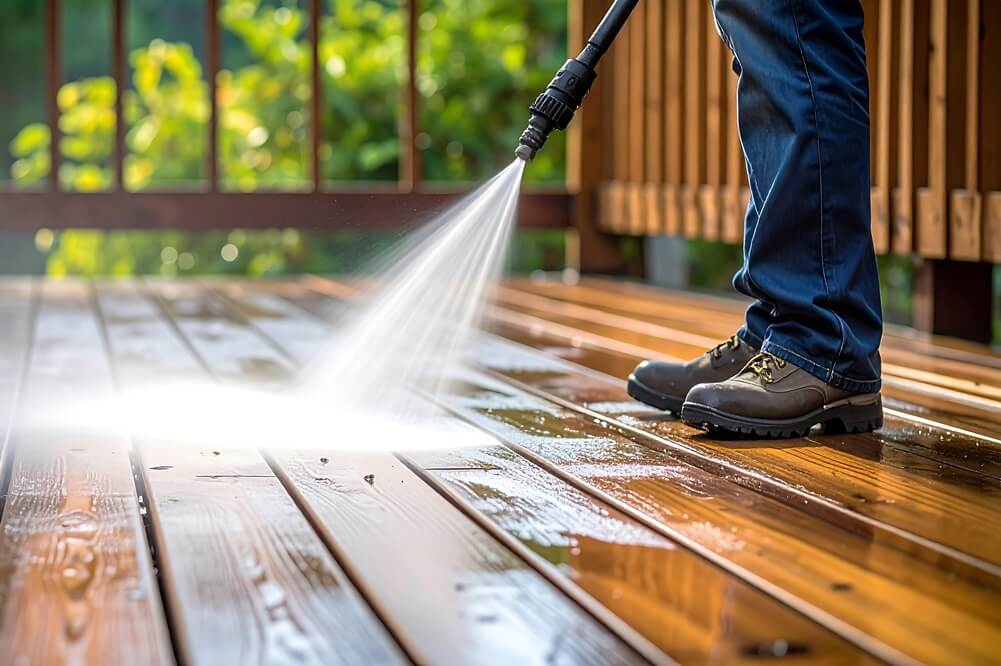
Picture your garden at its most vibrant, with pergolas, gazebos, and wooden features standing strong and beautiful through every season. This comprehensive guide takes you through a full year of garden structure care, offering expert tips to help your outdoor spaces thrive from spring blooms to winter frosts. From protecting wood during rainy months to preparing structures for the summer heat, you’ll discover practical ways to maintain their beauty and longevity. With consistent care and the right techniques, your garden can stay a stunning, inviting retreat all year round.
Spring cleaning for your garden structures
As winter winds down, it’s the right time to tackle seasonal garden care and prepare your outdoor areas for spring. This transition period is ideal for checking pathways and surrounding areas, clearing away fallen leaves and debris that have built up over the colder months. Not only does this tidy up the garden, but it also helps prevent slips and other hazards when the ground is wet. With spring arriving, take time to inspect your garden structures, like pergolas and gazebos, for any signs of winter wear - loose fittings, cracked wood, or other damage. These features often bear the brunt of harsh weather, making early spring the perfect moment to carry out repairs and add protective measures to keep them in top shape.
Implementing spring care tips for pergolas and gazebos will prolong their life and maintain their beauty. Begin by thoroughly cleaning these structures, removing any mould or mildew that may have developed over the cold months. A gentle scrub with a soft brush and mild detergent will usually suffice, followed by a thorough rinse. Pay close attention to joint areas and surfaces that are prone to moisture accumulation. Spring is also the optimal time to re-treat wooden surfaces with a protective sealant, ensuring they remain resilient and attractive throughout the coming months. By taking these proactive steps, you lay the groundwork for a thriving garden environment that can be enjoyed as the days grow longer and warmer.
Nurturing garden wood in summer
With the sun shining and temperatures climbing, summer is the ideal moment for garden maintenance - tackling tasks by season—to give special attention to the care of wooden structures. The dry and warm weather conditions provide an ideal environment for conducting thorough maintenance tasks, such as staining and sealing. These processes help protect the wood from the harmful effects of ultraviolet rays and the inevitable wear and tear that comes with outdoor exposure. Begin by cleaning the surfaces of your wooden structures to remove any dirt and grime that could interfere with the absorption of treatments. Once the wood is clean and dry, apply a high-quality wood stain to enhance its natural beauty and provide a layer of defence against the elements.
After staining, it's crucial to apply a sealant as part of your summer treatment for garden wood. Using a good sealant helps lock in moisture and keeps your wooden structures from drying out or cracking under the summer sun. This protective layer can greatly extend their lifespan, keeping them strong and looking great. Summer is also a perfect time for general repairs, as the warm weather helps adhesives and fillers set quickly. Keep an eye out for any signs of wear, like loose nails or joints, and fix them as soon as you notice them. By following these simple steps, you protect your investment and ensure your garden structures stay beautiful and functional all summer long and beyond.
Your autumn garden structure checklist
As the leaves begin to fall and the air turns crisp, it’s the perfect time for garden maintenance, approached by season, using an autumn garden checklist to get your structures ready for the months ahead. Start by thoroughly cleaning all garden structures, including pergolas, gazebos, and trellises. Start by clearing away any leftover summer debris, like fallen leaves and twigs, to stop moisture from building up and causing rot or mildew during the wetter months. A clean garden structure not only looks better, but it’s also stronger and more prepared to handle the weather. After cleaning, have a close look at each structure for any signs of damage or wear, and make any needed repairs before the colder months arrive.
Repainting and sealing your garden structures should also be high on your autumn garden checklist. A fresh coat of paint or wood stain will refresh the appearance of your structures and provide an added layer of protection against moisture and temperature fluctuations. Choose weather-resistant paints or stains designed for outdoor use to ensure maximum durability. Additionally, consider planting windbreaks or adding mulch around the base of your structures to further guard against the elements. This extra layer of protection will help to insulate the soil and roots, reducing the impact of frost, thus ensuring that by carefully following these steps, you keep your garden structures in top condition, ready to face the winter and emerge unscathed in the spring.
Inspecting and repairing before winter
As the year comes to an end, it’s time to focus on seasonal garden maintenance, paying special attention to inspecting and repairing garden structures before winter sets in. This period is crucial as it allows you to identify potential weak spots that could be exacerbated by harsh winter conditions. Begin your inspection with a detailed examination of each structure, checking for signs of decay, weakened joints, or damage that may have occurred over the past months. Paying close attention to areas that are frequently exposed to moisture or direct sunlight is essential, as these are more prone to wear and tear. Any findings should be addressed promptly to avoid further deterioration during the colder months.
Once issues have been identified, take decisive action to repair and reinforce your structures. This may involve replacing weakened wood, tightening loose bolts and screws, or applying additional weatherproofing treatments to vulnerable areas. It’s important to select appropriate materials and techniques to ensure long-lasting repairs, particularly those that can withstand severe weather conditions. By investing time in these repairs, you not only extend the lifespan of your garden structures but also enhance their resilience to the stresses of winter. Diligent garden maintenance by season ensures that when spring returns, your structures are ready to provide continued enjoyment and aesthetic appeal, standing strong against the elements.
How to preserve wooden features through winter
Protecting wood from frost damage requires a proactive approach that focuses on minimising moisture exposure and maintaining proper drainage. One effective method is to cover your structures with breathable, weather-resistant tarps or covers, which shield the wood from snow and ice while allowing it to breathe. This prevents moisture from becoming trapped, which can lead to rot and decay. Additionally, applying a water-repellent wood preservative can further safeguard the wood by creating a barrier that reduces moisture absorption.
Another key consideration in how to prepare wooden structures for winter is ensuring that water can drain away from the base of your structures. Mulch can be used to help absorb excess moisture and direct water away from critical areas. Here are some specific strategies to preserve your wooden features through winter:
- Install guttering or diverters on nearby roofs to prevent water from pooling around wooden structures.
- Use gravel or stones around the base of structures to promote drainage and deter water logging.
- Consider elevating wooden structures on concrete footings to prevent direct contact with wet ground.
By implementing these measures, you enhance the durability of your garden's wooden features, ensuring they remain in excellent condition come spring.
Year-round care to extend the life of garden structures
Consistent care and attention through each season not only preserve the visual appeal of your garden features but also enhance their structural integrity, allowing them to withstand the varying challenges posed by different weather conditions. By embracing a year-round maintenance approach, you can proactively address issues before they escalate into costly repairs. Following seasonal checklists and employing proactive strategies help create a robust maintenance routine that adapts to each season’s unique demands, ensuring that your garden structures remain in optimal condition throughout the year.
Here are some essential year-round care tips to extend the life of your garden structures:
- Regular inspections: Conduct thorough checks at least four times a year to identify and rectify any emerging issues.
- Seasonal cleaning: Ensure structures are cleaned of debris and dirt, which can cause damage if left untreated.
- Protective treatments: Apply stains, sealants, and preservatives as needed to guard against weathering and decay.
- Timely repairs: Address minor problems promptly to prevent them from becoming major structural issues.
By following these guidelines, you foster a maintenance culture that prioritises the health of your garden structures, allowing them to thrive and beautify your outdoor space for years to come.