
Landscaping for Beginners: A Guide to Transforming Your Garden
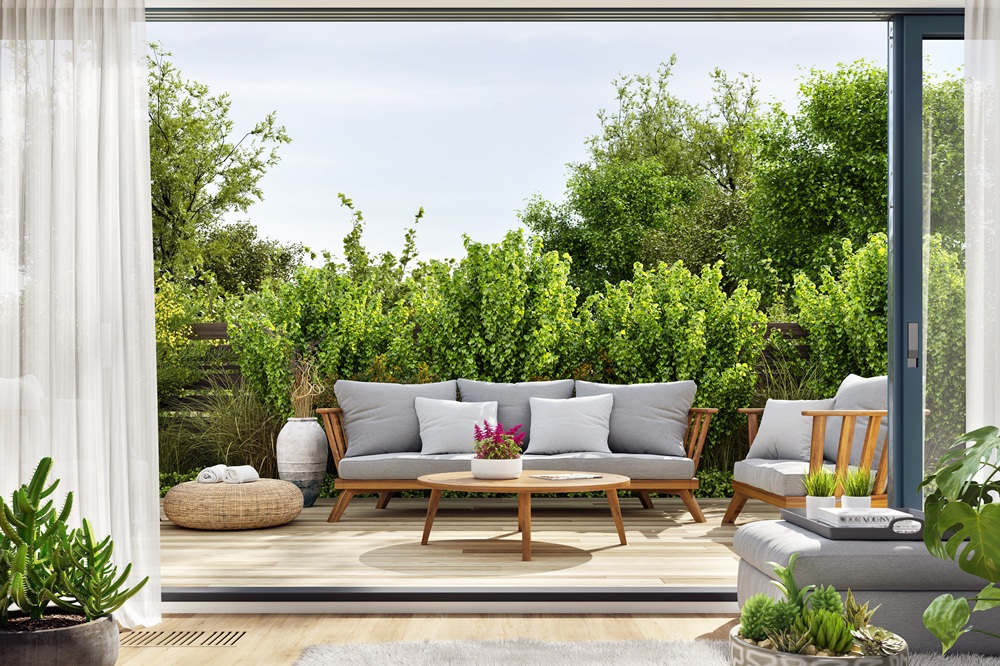
Transforming your garden can feel overwhelming if you're new to landscaping, but it doesn't have to be. This guide offers clear, practical insights to help you start your journey, covering the essential basics and easy steps to bring your outdoor vision to life. With the right approach, even small changes can create a beautiful, thriving garden you’ll love.
Landscaping Explained: The Basics You Need to Know
Before diving into the art of transforming your garden, it’s essential to first understand what landscaping is and how it shapes the beauty and function of your outdoor space. It is the practice of modifying the visible features of an area of land, encompassing both natural elements like flora and fauna and man-made structures such as fences and fountains. The primary goal of landscaping is to create a visually stunning and functional outdoor space that harmonises with its environment. By integrating various elements, landscaping can enhance the beauty of a garden, provide a sanctuary for relaxation, and even increase property value.
Understanding the landscaping basics is essential for any beginner. A successful landscaping project starts with careful planning and design, taking into account the unique characteristics of the garden space, including soil quality, climate, and sunlight exposure. Key principles like balance, proportion, and unity should guide your design. Balance creates visual harmony, while proportion ensures that each element fits well within the overall layout. Unity, on the other hand, refers to the harmony among different elements, bringing together plants, structures, and textures to create a balanced and connected garden design. By following these principles, beginners can start their landscaping journey and create a garden that’s both attractive and practical.
How to Start Landscaping your Garden
Starting your first garden landscaping project can be both exciting and challenging. To help navigate this process, here's a step-by-step guide on how to start landscaping a garden. The initial step involves assessing your garden space to understand its dimensions, existing features, and any potential challenges, such as drainage issues or uneven terrain. This evaluation is crucial for making informed decisions about the subsequent design and layout. Once you have a clear understanding of the space, the next step is to establish a vision or theme that reflects your personal style and complements your home’s architecture.
After defining your vision, it's time to plan the design. Create a rough sketch of the proposed layout, incorporating elements like flower beds, pathways, and seating areas. At this stage, consider the plants you wish to include, taking into account their growth patterns and maintenance needs. With a preliminary design in hand, the next step is to gather the necessary tools and materials, such as shovels, rakes, soil, and mulch, to begin the physical transformation. These steps to landscape your backyard offer a clear and organized approach, helping you move confidently from the initial idea to a finished outdoor space.
Beginner Landscaping Tips for Success
Starting a landscaping project as a novice can be daunting, but with the right guidance, it can become a rewarding experience. Here are some essential beginner landscaping tips to help you avoid common pitfalls and ensure your project is a success. First and foremost, start small. It’s easy to get overwhelmed by taking on too much at once, so focus on one section of your garden at a time. This approach allows you to concentrate your efforts and resources, leading to better results. Additionally, do your research on the plants you wish to introduce into your garden. Choose species that are well-suited to your local climate and soil conditions, which will reduce maintenance and increase the likelihood of flourishing growth.
Successful gardening begins with understanding the importance of soil preparation, which affects plant growth and overall garden health. Healthy soil is the key to a thriving garden. Add compost or organic matter to enrich the soil before planting. Another tip is to implement a watering system that conserves water, such as drip irrigation, which ensures plants receive adequate moisture without wastage. Lastly, be patient and flexible. Plants take time to establish, and gardens will change with the seasons. As you gain experience, you can adjust and refine your garden design. By following these tips, beginners can confidently embark on their landscaping journey, transforming their gardens into beautiful, thriving outdoor spaces.
Essential Landscaping Tools and Materials
Embarking on a landscaping project requires having the right tools and materials at your disposal. Understanding landscaping basics means knowing what equipment is necessary to efficiently tackle various gardening tasks. A sturdy spade is indispensable for digging and moving soil, crucial for planting and shaping flower beds. Complementing the spade is a garden fork, which is perfect for aerating soil and turning compost, ensuring your plants have a nutrient-rich environment. For smaller planting tasks, a hand trowel is essential, allowing for precise work in confined areas or when dealing with delicate seedlings.
A reliable rake is needed to level soil, remove debris, and maintain a neat appearance, especially after tilling or planting. Pruners are another key tool, vital for maintaining plant health through regular trimming and shaping of shrubs and small branches. A wheelbarrow proves invaluable for transporting soil, mulch, and other materials around the garden, saving time and effort. As for materials, mulch is fundamental in moisture retention and weed suppression, while quality soil and compost provide the nutrients necessary for plant growth. Equipped with these tools and materials, beginners can effectively manage and execute their landscaping projects, ensuring a smooth and successful gardening experience.
Designing your Perfect Garden Layout
Planning your ideal garden layout is an important step in creating an outdoor space that is attractive and practical. When learning how to start landscaping a garden, begin by evaluating your space’s environmental conditions, such as sunlight, shade, and soil type. These factors will greatly influence plant selection, ensuring that the chosen varieties will thrive. Once you have a clear understanding of the environmental conditions, consider the aesthetic aspect of your garden. Decide on a theme or style that resonates with your personal taste, whether it be a vibrant cottage garden or a minimalist Zen sanctuary.
Next, focus on functionality by outlining the different zones within your garden. Think about how you plan to use each area, such as creating a seating area for relaxation or a dedicated space for cultivating vegetables. Include the steps to landscape your backyard during the planning phase to create a smooth and organized flow between different areas. This might include pathways for easy navigation and strategic placement of taller plants to provide privacy or windbreaks. Consider the seasonal changes as well, choosing plants that offer interest throughout the year. By carefully planning and designing your garden layout, you can create a cohesive and harmonious outdoor space that complements both your lifestyle and the natural environment.
Sustainable Landscaping Practices
Incorporating sustainable landscaping practices into your garden design not only benefits the environment but also creates a healthier, more resilient outdoor space. As part of landscaping basics, beginners should focus on conserving resources and selecting eco-friendly materials. One effective approach is to utilise native plants, which are naturally adapted to the local climate and soil conditions, reducing the need for excessive watering and fertilisation. Native plants also attract local wildlife, promoting a thriving ecosystem. In addition, consider implementing rainwater harvesting systems, such as rain barrels, to collect and use rainwater for irrigation, thereby conserving valuable water resources.
Another key aspect of sustainable landscaping is soil health. Use organic compost and mulch to enrich the soil, which not only improves plant growth but also reduces the need for chemical fertilisers. Opt for natural pest control methods, such as introducing beneficial insects or companion planting, to maintain a balanced ecosystem without harmful chemicals. Promote biodiversity by incorporating a variety of plant species, which can enhance resilience against pests and diseases. By adopting these sustainable practices, beginners can create a garden that is not only environmentally friendly but also vibrant and full of life, aligning with a broader commitment to preserving our planet.