
Installation Tips for Wooden Fence Panels in Your Garden
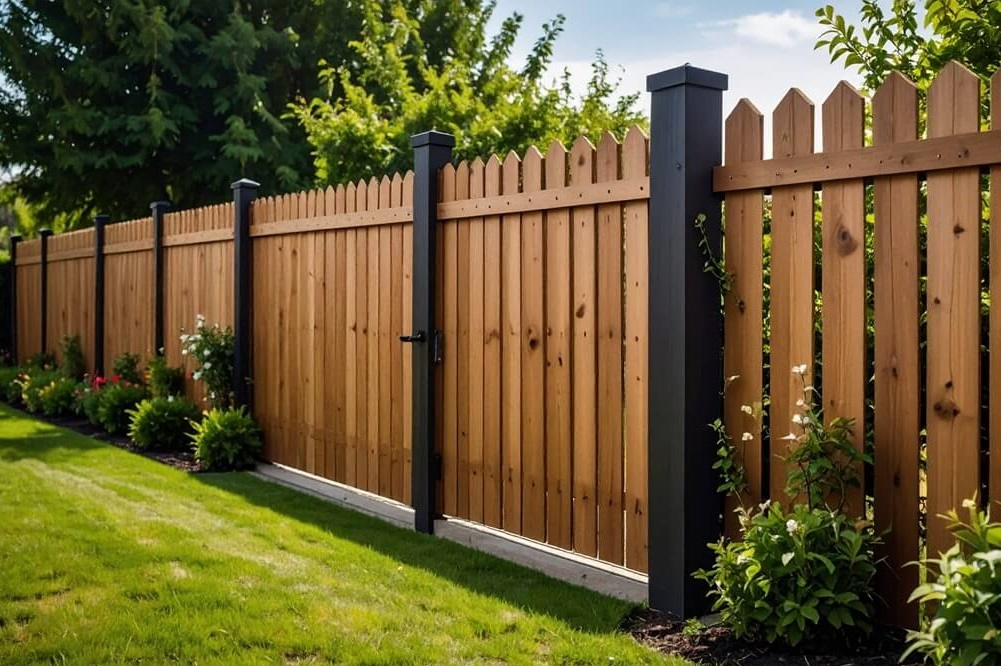
Transform your garden with the right wooden fence panels and turn an ordinary outdoor space into a place filled with warmth and character. From careful preparation to the final finishing touches, this guide walks you through every step with clarity and confidence. With the right approach, even a simple weekend project can feel like crafting a peaceful retreat. By the time you're done, your garden won’t just be enclosed - it will feel beautifully complete.
Preparing the ground for wooden fence panel installation
Before you start the actual installation process, take a moment to look over the ground where your fence will stand, imagining how the space will change. Begin by choosing the area with care, noticing the way the sunlight moves, what plants surround it, and where your property boundaries lie. Once you’ve settled on the right spot, clear away any debris, rocks, or plant matter that could stand in your way. As the space becomes cleaner, the layout begins to reveal itself, helping you understand how to install wooden fence panels with a steady sense of direction. This simple preparation sets the stage for the work that follows and brings clarity to the project ahead.
Next, measure the space accurately to determine the number of panels and posts you'll require. Here's a quick guide to help you:
- Using a measuring tape, establish the total length of the area where your fence will be installed.
- Decide on the height of your fence panels and purchase them accordingly.
- Calculate the number of posts needed by dividing the total length by the width of a single panel.
- Mark post locations with stakes and string lines to ensure precise placement.
Accurate measurement and site preparation play a vital role in the overall success of your fencing project. By taking these preliminary steps seriously, you're setting the stage for a sturdy and visually appealing fence that complements your garden perfectly.
Choosing the right tools and materials
The key to spacing wooden fence panels correctly begins with selecting high-quality materials that can withstand the elements. Wooden fence posts are the backbone of your structure, so opt for treated wood that resists rot and decay. The same goes for the panels themselves; invest in robust materials that promise longevity. You'll also need a reliable cement mix to secure your posts. Pre-mixed concrete bags are convenient and ensure a solid foundation, crucial for maintaining the correct spacing.
Additionally, don't forget about the fixings: galvanised nails and screws are ideal choices as they are rust-resistant, providing added longevity to your fence. Essential tools include a post-hole digger for precise depth creation, a spirit level for ensuring vertical alignment, and a claw hammer or electric screwdriver for fastenings. With the right preparation and equipment, your fence will stand strong and look impeccable for years to come.
Setting fence posts for stability
Establishing a sturdy foundation begins with setting the fence posts, almost like marking the first steps of a path you’re about to build. Among the most valuable tips for setting fence posts is digging each hole to at least one-third the height of the post, giving it the depth it needs to stand firm through changing seasons. This careful rooting helps the posts hold their ground against wind and whatever weather comes their way. With a post-hole digger in hand, work toward a consistent depth and diameter, creating spaces that will welcome both the posts and the cement that secures them. Once your holes are prepared, you move on to mixing the cement, almost like crafting the anchor that will hold your fence steady for years.
A well-balanced mixture is essential, so follow the manufacturer’s instructions to find the right water-to-cement ratio, aiming for a texture that’s thick yet still easy to pour. As you fill the space around each post, keep a spirit level close, watching the post stand tall while you make small adjustments. This careful moment of alignment ensures your wooden fence panels will sit neatly in place, giving the final result a polished, intentional look. Let the cement rest for at least 24 hours, allowing it to harden fully before you attach the panels. With this patience and attention, you lay the groundwork for a fence that feels solid, purposeful, and built to last.
Aligning fence panels for a neat look
A well-placed fence can transform the look of your garden, giving every corner a more thoughtful and inviting feel. That’s why taking care with the alignment of your fence panels becomes such an important part of the process. Learning how to align fence panels in a garden starts with thoughtful preparation and choosing the tools that help each panel fall into place with intention, creating a look that feels naturally cohesive. Begin by installing all the posts, checking that each one aligns perfectly with the next using a long piece of string. This string line acts as a guide to maintain a straight line across the entire length of your fence. It's also helpful to use a spirit level to make sure each panel is perfectly vertical, contributing to a professional finish.
Here are some additional tips for achieving neat alignment:
- Start by attaching the first panel at one end, ensuring it is level and flush with the ground or your chosen height.
- Secure the panel tightly with galvanised screws to prevent any movement over time.
- Continue attaching subsequent panels, regularly checking their alignment with the string line and adjusting as necessary.
- If your garden slopes, consider a stepped or racked installation to follow the contour of the land while keeping panels aligned.
By dedicating attention to detail and using these techniques, you'll create a fence that not only serves its practical purpose but also adds a touch of elegance to your outdoor space.
Ensuring durability and weatherproofing
To ensure your wooden fence stands the test of time, particularly against harsh weather conditions, it's crucial to implement strategies that enhance its durability and longevity. To understand how to install wooden fence panels that will last through wind, rain, and sun, start by selecting high-quality, treated timber - the kind that gives your fence both strength and longevity. Treated wood is specifically designed to resist rot and insect damage, providing a solid foundation for your fencing. However, additional measures are necessary to protect the wood from moisture and UV rays, which can cause warping and fading over time.
Applying a quality stain or sealant is essential for weatherproofing your fence. Stains penetrate the wood, offering protection against moisture while enhancing the natural grain and colour. Sealants, on the other hand, form a protective barrier on the surface, shielding the wood from both moisture and UV damage. Ensure you apply these treatments on a dry, windless day for optimal absorption. Regular maintenance, such as reapplying sealant every couple of years, will further enhance your fence's resilience. By taking these steps, you'll maintain a beautiful and sturdy garden fence that endures through the seasons.
Finishing touches and regular maintenance
Once your wooden fence is installed, attention to detail in the finishing touches and ongoing maintenance is vital for ensuring its long-term performance and beauty. One important aspect is maintaining the correct spacing between wooden fence panels correctly. Over time, environmental factors such as temperature fluctuations and moisture can cause wood to expand and contract, potentially affecting the original spacing. Regular inspections are essential to identify any shifts or gaps that may develop. If you notice any misalignment, make the necessary adjustments promptly to prevent further issues.
In addition to spacing checks, repainting or re-staining your fence every few years will keep it looking fresh while also adding a layer of protection against the elements. When repainting, make sure to sand away any peeling or chipped paint to ensure a smooth finish. Regular repairs are also an integral part of maintenance; promptly fix any loose panels or damaged sections to maintain the overall structural integrity of the fence. By following these maintenance tips, your wooden fence will continue to enhance your garden, providing both functionality and aesthetic appeal for years to come.