
How to Treat Larch Wood for Outdoor Use
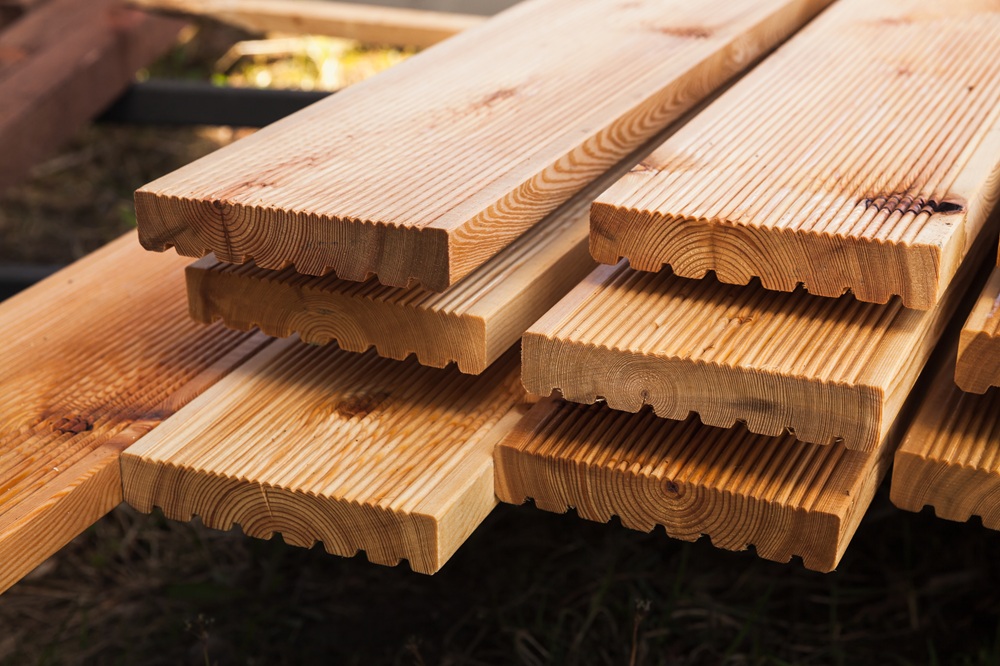
Larch wood is valued for its strength and beauty, making it ideal for outdoor projects. To maintain its appeal and functionality in the elements, proper treatment is key. Discover how to keep larch wood in top shape outdoors.
Understanding the Properties of Larch Wood
Larch wood is renowned for its remarkable natural durability and resilience, making it a popular choice for outdoor applications such as decking, cladding, and garden structures. This type of wood boasts a dense and tight grain, which not only contributes to its robustness but also offers an aesthetically pleasing finish. Its inherent resistance to decay and pests further enhances its suitability for external use, where it can withstand the harshest of weather conditions without significant deterioration. However, despite these qualities, implementing a thorough larch wood treatment plan is essential to maximise its longevity and maintain its appearance over time. This treatment serves to bolster the wood's natural defences, ensuring it remains an attractive and functional component of any outdoor setting.
By protecting larch wood outdoors, you secure the long-term durability and performance of your wooden installations. The treatment process involves several steps, including the application of protective oils or sealants that penetrate deeply into the wood fibres, forming a barrier against moisture ingress and UV damage. Without proper treatment, even the hardy larch can suffer from surface discolouration and structural weakening over time, particularly in environments with high exposure to sunlight and rain. Therefore, understanding the properties of larch wood and implementing appropriate protective measures is crucial for anyone looking to maintain their outdoor wooden projects for years to come.
Essential Steps for Preparing Larch Wood for Treatment
If you want to know how to treat larch wood, the first step is to make sure the surface is clean and free from dirt, dust, or old finishes, since these can stop the treatment from being absorbed. Wash the wood gently with a mild detergent and a soft brush to remove surface dirt without harming the fibres. Then rinse thoroughly with clean water to remove any soap. Finally, allow the wood to dry completely, because any leftover moisture can make the treatment harder to apply and less useful. The next step in the preparation process is sanding, which not only smooths the surface of the wood but also opens up the grain, allowing the treatment to penetrate more deeply.
Use medium-grit sandpaper to gently rub the wood, always working along the grain. Aim for an even surface, as this helps the treatment stick better and protects the wood more evenly. After sanding, it's essential to remove any dust or particles left behind, as these can interfere with the treatment process. A clean, dry cloth or a vacuum with a soft brush attachment can be used for this purpose. Proper larch wood maintenance starts with proper preparation, making sure the wood is ready to absorb the treatment. Putting in a bit of time at this stage will help the wood stay durable and last longer.
Choosing the Best Oil for Larch Wood
Selecting the best oil for larch wood can make a significant difference in terms of both aesthetics and durability. Oils are a popular choice for larch wood treatment because they penetrate deeply into the wood, enhancing its natural beauty while offering long-lasting protection. However, not all oils are created equal, and understanding their unique characteristics will help you make an informed decision. Here are some of the most common oils used for treating larch wood, along with their benefits and drawbacks:
- Linseed Oil: A traditional choice known for its excellent penetration and ability to enhance the wood's natural grain. It's relatively affordable but can take longer to dry, requiring more frequent reapplication.
- Tung Oil: Offers a durable and water-resistant finish, enhancing the wood's natural warmth. It is more expensive and may require multiple coats for optimal protection.
- Danish Oil: A blend of oils and varnishes that provides a hard-wearing finish with a slight sheen, ideal for high-traffic areas. It's easy to apply, but may require periodic maintenance to retain its protective qualities.
- Teak Oil: While primarily used for teak, it's versatile enough for larch wood, offering UV protection and enhancing grain pattern. It tends to be pricier and may alter the wood's natural colour.
Each of these oils has its distinct advantages, depending on your specific needs and preferences. Linseed oil is ideal for those seeking a more affordable option, while tung oil is perfect for those prioritising a robust, water-resistant finish. Danish oil is a great compromise between ease of application and durability, whereas teak oil suits those looking for UV protection. The choice of oil should align with your maintenance capabilities and desired aesthetic outcome. By selecting the right oil for your larch wood treatment, you ensure that your outdoor project remains protected and visually appealing for years to come.
Techniques for Applying Treatment to Larch Wood
Pick a day with mild weather, since very hot, cold, or damp conditions can make applying the oil tricky. Stir the oil well so it has an even consistency. Then, using a clean brush or cloth, spread the oil generously over the wood, always following the grain for a nice, even finish. The first coat should be applied liberally, allowing the oil to penetrate deeply into the wood fibres. Learning how to treat larch wood means being patient and letting the oil soak in completely. Depending on the type of oil and the weather, this can take several hours. After the first coat dries, check the wood for any dry spots or areas that absorbed less oil. If needed, apply a second coat, following the grain and spreading the oil evenly.
It’s advisable to apply at least two coats, with some oils requiring a third for enhanced durability. Between each coat, it's crucial to allow sufficient drying time as recommended by the manufacturer, as this ensures that the layers bond correctly. After the final coat, buff the surface with a soft cloth to remove any excess oil and achieve a subtle sheen. Regular maintenance, including reapplication of oil when the wood appears dry or worn, is key to maintaining the wood's appearance and protective qualities. By following these steps, you can ensure your larch wood projects remain attractive and well-protected against the elements.
Maintenance Tips for Outdoor Larch Wood
Regular inspections are an essential part of larch wood maintenance. By checking your wooden structures or surfaces every few months, you can identify signs of wear, damage, or weathering early on. Look for changes in texture, colour fading, or any indications of water ingress. These routine checks allow you to address issues promptly before they develop into more significant problems. Cleaning your larch wood is another vital maintenance task. Use a soft-bristled brush and a mild detergent solution to gently clean the surface, removing dirt or organic material that could compromise the wood's protective layer. Rinse thoroughly with water and allow the wood to dry completely before proceeding with any additional treatment.
To keep larch wood protected outdoors, reapply oil every 12 to 24 months, depending on the type you use. It's important to follow the manufacturer's guidelines on the frequency of re-treatment, as this can vary based on environmental conditions and the level of exposure. Before applying a new coat of oil, ensure the wood is clean and dry to promote proper absorption and adhesion. Additionally, consider applying a UV protective finish if your larch wood is exposed to direct sunlight, as this will help prevent discolouration and maintain its natural hue. By incorporating these maintenance tips into your routine, you can significantly extend the life of your outdoor larch wood projects, keeping them attractive and functional for years to come.
Common Mistakes to Avoid when Treating Larch Wood
A common mistake is skipping proper preparation before treating larch wood. Skipping steps such as thorough cleaning, sanding, or ensuring the wood is completely dry can lead to uneven absorption and a suboptimal protective layer. To prevent this, always take the time to prepare your wood meticulously, as this sets the foundation for effective treatment. Another mistake is applying the oil or treatment in adverse weather conditions. Excessive humidity, rain, or extreme temperatures can interfere with the drying process and impact the treatment's effectiveness. Always choose mild weather conditions for application to allow the product to cure properly.
Another common oversight is using the wrong type of oil or not applying enough coats for adequate protection. Understanding how to treat larch wood involves selecting the right oil for your specific needs and environment. Ensure that you apply the recommended number of coats, allowing sufficient drying time between each to build a robust protective barrier. Additionally, failing to perform regular maintenance can compromise the wood's condition. Set a regular schedule for re-treating your larch wood and stick to it to keep the wood strong against the weather. Don’t add another coat too soon, or it may become sticky or uneven. By avoiding these mistakes, your larch wood will stay looking great and last longer outdoors.