
How to Maintain and Refinish Wooden Garden Pots
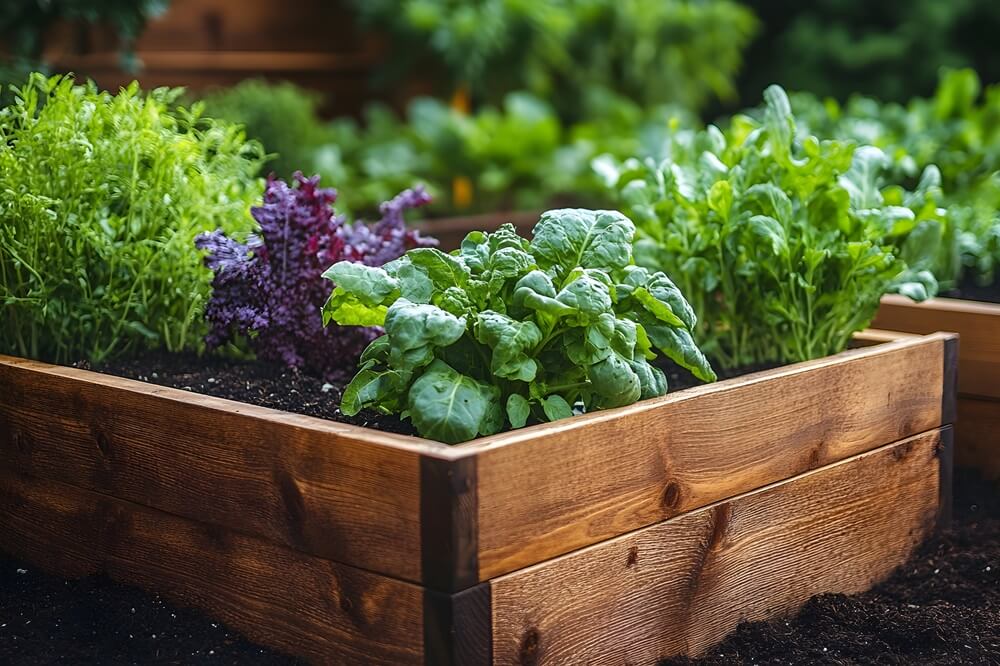
Caring for your garden begins long before the first seed is planted. As the seasons shift and sunlight softens, you come to understand how to maintain wooden planters so they stay strong through every change. You notice the subtle signs in the grain and finish, learning when to refinish garden pots to keep them protected and glowing with life. These small rituals become part of the rhythm of your outdoor space. With a few expert tips, your wooden pots stay robust and beautiful all year round, standing as quiet companions to every bloom and harvest.
Understanding the benefits of wooden garden pots
Wooden garden pots have long been loved by gardeners for their natural look and great versatility. These containers blend perfectly with the organic beauty of a garden, offering a rustic charm that complements any outdoor space. The inherent warmth and texture of wood create a more inviting environment, making these pots a popular choice for both traditional and contemporary garden designs. Beyond their visual appeal, wooden pots offer practical advantages. They provide excellent insulation for plant roots, helping to regulate temperature and moisture levels, which can be crucial for plant health and growth. However, to fully enjoy these benefits, it's essential to understand how to maintain wooden planters correctly.
Proper maintenance is key to prolonging the life of wooden garden pots and ensuring they continue to support healthy plant growth. Regular upkeep involves cleaning the pots to prevent the buildup of mould and mildew, which can deteriorate the wood over time. Applying a protective sealant is another vital step, as it shields the wood from harsh weather conditions and prevents water damage. It's also important to ensure good drainage to avoid waterlogging, which can lead to root rot. By adopting these best practices, gardeners can preserve the structural integrity and beauty of their wooden containers, ensuring they remain a functional and attractive part of the garden landscape for years to come.
Choosing the right wood for durability
When selecting wooden garden pots, choosing the appropriate type of wood is crucial for ensuring durability and longevity. Some woods are naturally more resistant to decay, making them ideal for outdoor use. This resistance is particularly important given the exposure to moisture and varying weather conditions that wooden pots must endure. Several types of wood stand out for their resilience and ability to withstand the elements, thereby preventing rot in wooden containers. Cedar, for instance, is a popular choice due to its natural oils that deter insects and fungal growth. Similarly, teak is renowned for its robust nature and resistance to both water and weathering, although it tends to be more expensive. Another excellent option is redwood, which also boasts natural rot-resistant properties.
When selecting wood for garden pots, consider the following tips to ensure you choose materials that reduce the risk of decay:
- Cedar: Lightweight and naturally insect-repellent, cedar is an excellent choice for garden containers.
- Teak: Although pricier, teak offers unmatched durability and resistance to rot and water damage.
- Redwood: Known for its rot resistance and appealing reddish hue, redwood is both durable and attractive.
- Pressure-treated wood: This option is treated with chemicals to resist decay and insect infestation, though it’s essential to ensure it’s plant-safe.
Choosing these stronger wood types improves the look of your garden and helps your wooden pots last longer. Because they naturally resist rot, they require less upkeep and let you enjoy healthy, long-lasting plant displays.
Steps to clean and preserve wooden planters
To ensure your wooden planters remain in excellent condition, it's essential to follow a regular cleaning and preservation routine. Start by removing all plants and soil from the planter. This allows you to thoroughly clean the interior and exterior surfaces without obstruction. Use a mild detergent mixed with water to wash the pot, scrubbing gently with a soft brush to remove dirt, algae, and any mildew that may have developed. Rinse thoroughly with clean water to remove soap residue. It's important to let the planter dry completely before proceeding to the next steps, as moisture trapped in the wood can lead to rot.
Once the planter is dry, it’s time to consider when to refinish garden pots. Refinishing should typically be done annually at the beginning of the growing season, or more frequently if the wood shows signs of wear or weathering. Choose a dry, warm day to apply a fresh coat of wood sealant or paint, ensuring the product is suitable for outdoor use and safe for plants. Sand the wood lightly to remove any old finish if necessary, and apply the new finish evenly using a brush or sprayer. Allow sufficient drying time according to the product instructions. By following these steps, you’ll improve the look of your wooden planters and help them last longer, giving your plants a sturdy and attractive home year after year.
Sealing techniques for wooden pots
Sealing wooden pots is essential for keeping them durable and functional as plant containers. A good seal protects the wood from moisture, UV rays, and other environmental factors that can cause damage over time. When learning how to seal wooden pots for plants, it’s important to select products that protect the wood while remaining safe for the plants they will contain. One popular option is to use a clear wood sealant or varnish specifically designed for outdoor use, which provides a protective coating while allowing the natural beauty of the wood to shine through. Linseed oil, for example, is a natural option that penetrates deep into the wood, enhancing its resilience against moisture.
Another great approach is to use a waterproof wood stain, which both seals the wood and adds colour, boosting the visual appeal of your pots. For those who prefer a more natural approach, beeswax-based products can also provide a protective barrier, though they may require more frequent application. Whichever method you choose, ensure the product is non-toxic and safe for plants, especially if the inner surfaces of the pot are treated. Apply the sealant evenly, using a brush for precision, and allow adequate drying time before planting. By learning about the different techniques and products, you can weatherproof your wooden pots, protecting them from the elements while keeping a healthy environment for your plants.
Identifying signs of wear and damage
Recognising early signs of wear and damage in wooden garden pots is essential for ensuring their continued functionality and visual appeal. Common indicators of wear include discolouration, which often signals exposure to harsh sunlight or water damage, and the appearance of cracks or splits in the wood. These issues can compromise the structural integrity of the pots, making them less effective as plant containers. Additionally, watch for soft spots or areas where the wood feels spongy, as this can indicate the beginnings of rot. Mould or mildew buildup is another red flag, often resulting from trapped moisture, and can lead to further deterioration if not addressed promptly.
To properly manage these issues, it's important to understand how to maintain wooden planters through timely interventions and repairs. Begin by regularly inspecting your planters for signs of wear, especially in harsh weather conditions or following heavy rainfall. Sanding down rough or damaged areas can help prevent further splitting, while applying a new coat of sealant or paint can protect the wood from future damage. For cracks or splits, wood fillers can be used to repair the surface, ensuring the pot remains structurally sound. Addressing these issues early not only preserves the aesthetics of your wooden planters but also extends their lifespan, allowing them to continue serving as beautiful and functional additions to your garden.
Seasonal tips for wooden pot upkeep
Maintaining wooden garden pots throughout the year requires an understanding of how different seasons impact their condition. During the spring, as temperatures rise and rainfall increases, it's crucial to ensure your pots have adequate drainage to prevent water from pooling and causing rot. Check the pots for any signs of damage accumulated over the winter and address these promptly. Spring is the perfect season to decide when to refinish garden pots, as the mild weather ensures that sealants or paint dry properly for long-lasting protection.
Taking these steps helps protect your pots as summer arrives. Intense sunlight can dry out and fade the wood, so move pots to shade during the hottest hours or apply a UV-resistant sealant for added protection. As autumn approaches and temperatures drop, inspect your pots for signs of wear or damage from the summer and prepare them for winter by cleaning and adding a protective layer of sealant. In winter, severe cold can cause wood to contract and crack, so bringing pots indoors or covering them with breathable fabric can help prevent weather-related damage. Seasonal maintenance keeps your wooden garden pots looking great and functioning well all year round.