
How to Choose the Right Garden Trellis for Your Plants
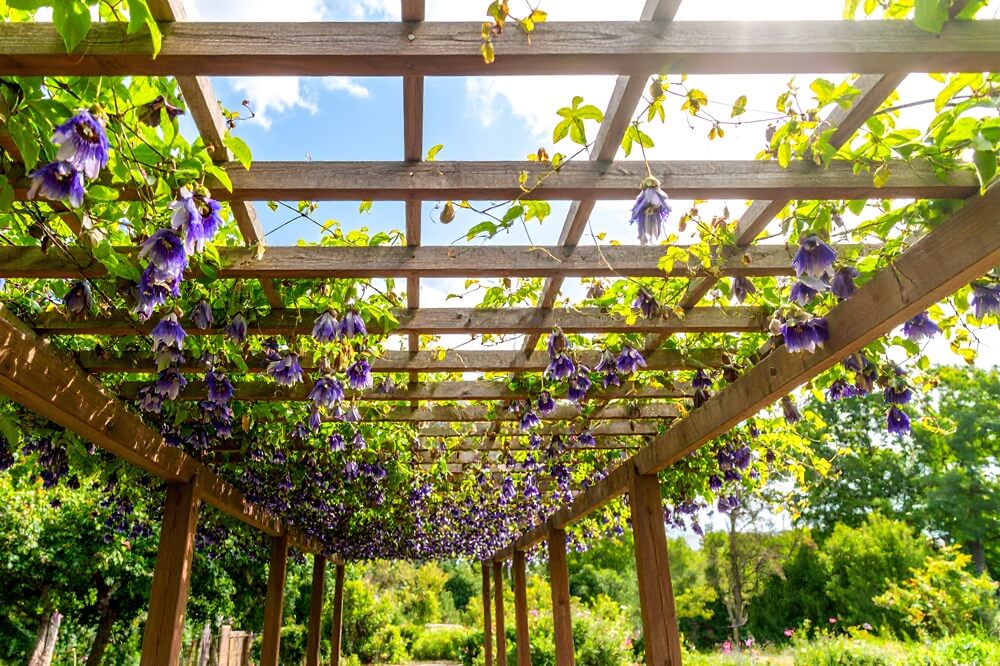
Step into the world of garden trellises and uncover the secrets to choosing the perfect one for your favourite plants. Imagine guiding a cluster of climbing roses up a beautiful frame or adding a touch of charm to a quiet corner of your garden. The right trellis doesn’t just support your plants - it elevates the entire space, giving your green sanctuary character and life. As you explore different shapes, materials, and designs, you’ll soon discover how a simple structure can transform your garden into something truly enchanting.
Understanding different types of garden trellis
Each type of trellis brings its own story to the garden, shaping not just how your plants grow, but how your whole outdoor space feels. Wooden trellises, for example, offer a warm, timeless charm that blends naturally into the landscape, creating a picturesque setting for climbing roses or trailing ivy - though they do ask for a bit of upkeep in wetter weather. Metal trellises introduce a sense of strength and elegance, perfect for vigorous climbers like wisteria, standing firm through the seasons with only the occasional rust check. Plastic trellises add a practical twist to the mix, lightweight and budget-friendly, making them ideal for annual vines or fast growers such as peas.
Understanding the qualities of each material is essential when exploring how to pick a garden trellis that truly meets your gardening needs. Choosing the right trellis involves considering the specific requirements of your plants, such as the weight of the climbers and the environmental conditions they thrive in. For perennial climbers that demand long-term support, a robust option like metal is advisable. Conversely, for a temporary or decorative solution, plastic or wooden trellises might suffice. It is also essential to think about the aesthetic appeal of the trellis and how it complements your garden's overall design. Whether placed against a garden wall or used as a standalone feature, the trellis you choose should harmonise with the landscape.
Choosing the perfect trellis for climbing plants
Different climbing plants have varied needs in terms of support, and selecting the right design ensures they thrive. For instance, lightweight climbers like sweet peas or morning glories can flourish on simple fan-shaped or obelisk trellises, which provide ample support without overwhelming the delicate vines. In contrast, more robust climbers such as clematis or honeysuckle require sturdier structures like a lattice or pergola, which can bear their weight while allowing ample room for growth. The material of the trellis also plays a crucial role, as metal or treated wood often provide the necessary durability for perennials exposed to fluctuating weather conditions. Understanding what trellis is best for climbing plants involves assessing both the plant's growth habits and the environmental factors it will face.
Additionally, the design of the trellis impacts not only the health of the plants but also the overall visual appeal of the garden. A well-chosen trellis can serve as a focal point or a complementary feature within your garden landscape. For example, a wooden arched trellis covered with climbing roses can create a stunning entrance to a garden path, while a metal grid trellis might add a modern touch to a contemporary garden. When deciding on the ideal trellis for your climbing plants, think about how its design complements your garden’s overall style and how well it will blend with the surrounding features.
Freestanding vs. fixed trellis: which one fits your garden best?
Freestanding trellises offer the advantage of mobility and flexibility. They can be placed anywhere in the garden, allowing you to rearrange your plants or garden layout as needed. This type of trellis is ideal for creating defined spaces or secluded garden areas, as it can act as a natural partition. Moreover, freestanding trellises are often easier to install and dismantle, making them perfect for renters or those who frequently redesign their gardens. However, they may require additional stabilisation against strong winds or when supporting heavier plants, which can add to the overall setup complexity.
On the other hand, fixed trellises provide a sturdier and more permanent solution. Installed against walls or fences, they can support more substantial growth and are less likely to be disturbed by adverse weather conditions. This makes them suitable for long-term garden projects and for plants that require significant support, such as grapevines or large climbing roses. The question of should a trellis be freestanding or fixed ultimately comes down to what you want to achieve in your garden and how you plan to use the space. While freestanding options offer versatility and adaptability, fixed trellises contribute to a more permanent and robust framework for plant growth.
Materials and durability considerations
The material of a trellis affects its durability and care needs. Wooden trellises look warm and natural and suit most gardens, but they need upkeep to prevent rot and insects. Using a sealant or pressure-treated wood helps them last longer. Metal trellises, meanwhile, are sturdy and long-lasting, often made from rust-resistant materials like galvanised steel or aluminium, making them a low-maintenance option. These options require minimal maintenance aside from occasional cleaning, making them ideal for those seeking a low-maintenance solution. Understanding how to pick a garden trellis means thinking about your climate and the level of upkeep you’re comfortable with, ensuring it stays a beautiful and lasting part of your garden.
Plastic trellises present a lightweight and budget-friendly alternative, often available in a variety of colours and designs. While they resist rot and rust, their longevity can be compromised by prolonged exposure to harsh sunlight, which may cause the material to become brittle and fade over time. Regular cleaning can help maintain their appearance and function. Furthermore, composite materials, combining wood fibres and plastics, offer a balance between the aesthetic appeal of wood and the durability of plastic, requiring little maintenance. When learning how to pick a garden trellis, think about its visual appeal, the environmental conditions it will face, and the level of care you’re willing to provide.
How to care for and maintain your trellis
For wooden trellises, regular upkeep is crucial, given their susceptibility to weathering and pest damage. One effective method to enhance their durability is painting. Can you paint a wooden trellis? Yes - and doing so not only enhances its appearance but also adds an extra layer of protection against the weather. Before painting, it is advisable to sand the wood to remove any rough patches and apply a primer to allow the paint to adhere better. Using weather-resistant paint can significantly extend the lifespan of a wooden trellis by preventing moisture absorption and reducing the risk of rot.
Metal trellises, while more durable, still require some care to maintain their integrity and appearance. Regularly inspecting for rust and applying a rust-inhibiting primer or paint can prevent corrosion, particularly in humid or coastal areas. For plastic trellises, cleaning with mild soap and water will help keep them looking fresh, though it’s important to avoid harsh chemicals that can degrade the material over time. Composite trellises, a blend of wood and plastic, require minimal maintenance but benefit from occasional cleaning to remove dirt and buildup. By understanding the specific needs of each material, you can ensure your trellis remains a sturdy and attractive feature in your garden.
Aesthetic appeal in garden design
Trellises do more than support climbing plants - they can also bring style and character to your garden. By adding height and texture, they turn an ordinary space into a charming, inviting landscape. When picking a trellis, think about how its design fits with your garden’s overall look. In a traditional garden, a wooden trellis with detailed latticework adds classic elegance, while a sleek metal trellis works well in modern, minimalist settings. The right trellis can even guide the eye through your garden, highlighting focal points or creating lovely pathways covered in flowering vines. Knowing what trellis is best for climbing plants means thinking about how its shape and material will complement your garden’s overall design.
The colour of a trellis can greatly affect your garden’s overall look. Choosing a shade that contrasts with the foliage can make greenery and blooms stand out, while a neutral tone lets the plants take centre stage. The trellis’s height and scale should also suit the size of your garden to keep everything balanced. In smaller gardens, a tall, narrow trellis can create the illusion of extra space, while in larger gardens, wide arched trellises can form beautiful, inviting walkways. When selecting a trellis, consider both the needs of your climbing plants and how it fits with the overall design of your garden.