
How to Build a Wooden Pergola: Step-by-Step Instructions
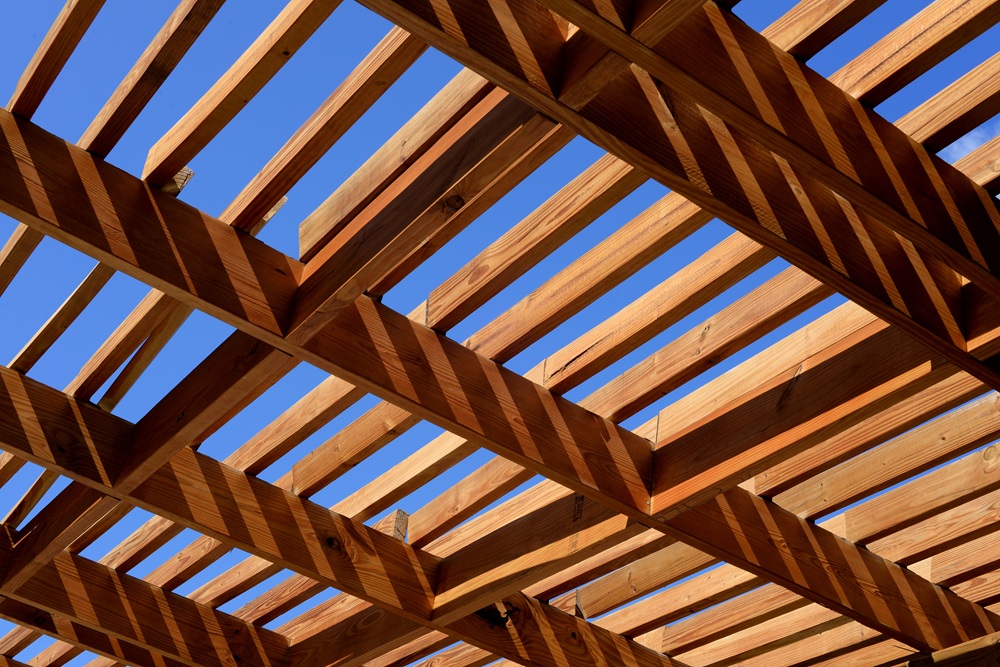
Creating a wooden pergola may feel challenging, but with clear guidance, you can turn your garden into a beautiful and inviting outdoor retreat. Learn practical tips and follow our step-by-step guide to make the process simple and enjoyable, ensuring a pergola that perfectly complements your space.
Understanding the Benefits of a Wooden Pergola
A well-designed pergola serves as a focal point, drawing the eye and providing a designated area for relaxation or entertaining guests. The aesthetic appeal of a wooden pergola is undeniable, as it brings a natural, warm feel that complements various garden styles. When learning how to build a pergola, wood stands out for its versatility - it can be painted or stained to suit any style, allowing homeowners to personalise their outdoor living space with ease and creativity. Additionally, the open structure of a pergola allows for creative landscaping opportunities, such as weaving in climbing plants or hanging fairy lights, further enhancing its visual allure.
Beyond aesthetics, a wooden pergola offers practical benefits by providing partial shade, which can make spending time outside more comfortable during hot summer days. This feature makes it an inviting retreat for family gatherings or quiet evenings with a book. Building a pergola can increase the value of your property by adding an attractive feature that potential buyers may find appealing. Following practical pergola construction tips helps you create a structure that is both attractive and long-lasting, built to endure different weather conditions. Ultimately, a wooden pergola enhances the usability and enjoyment of your outdoor space, making it a worthwhile investment for those seeking to elevate their garden experience.
Choosing the Right Materials for your Pergola
A key part of any pergola building guide is selecting the right wood, as it affects both the look and the durability of your pergola. Cedar is a popular choice due to its natural resistance to decay and insects, as well as its rich, warm hue that weathers beautifully over time. Alternatively, redwood is another excellent option, prized for its durability and resistance to the elements, although it can be a more costly choice. For those seeking a more budget-friendly option, pressure-treated pine offers a practical solution, especially when treated with a weather-resistant sealant to enhance its longevity.
Besides picking the right wood, it’s important to think about your garden’s climate. In areas with lots of rain or humidity, choosing a wood that naturally resists moisture will help your pergola last longer and avoid warping. Applying a high-quality stain or sealant not only accentuates the wood’s natural beauty but also provides an additional layer of protection against the elements. Understanding how to build a pergola that stands the test of time requires careful planning and consideration of these factors. Ultimately, investing in quality materials ensures that your pergola remains a cherished feature of your garden, offering shelter and style for years to come.
Essential Tools Needed for Pergola Construction
Before you start constructing your wooden pergola, it's essential to assemble the right set of tools. Having the proper equipment can make the process smoother and more efficient, as outlined in any comprehensive pergola building guide. Here's a list of tools that are indispensable for this project:
- Measuring Tape: Accurate measurements are crucial for ensuring that your pergola is constructed correctly and symmetrical.
- Level: A level is necessary to ensure that all parts of the pergola are even and stable, preventing future structural issues.
- Power Drill: A power drill is essential for assembling the pergola, allowing you to easily fasten screws and secure fittings.
- Saw (Circular and Hand): A circular saw helps in cutting through larger pieces of wood efficiently, while a hand saw is useful for more precise cuts.
- Ladder: Given the height involved in pergola construction, a sturdy ladder is necessary for reaching elevated areas safely.
- Mallet: A rubber mallet can be used to gently adjust and align components without damaging the wood.
In addition to these key tools, having a pencil for marking measurements, clamps for holding pieces in place, and protective gear such as gloves and safety glasses is advisable. Knowing how to use the right tools is key when building a pergola step-by-step, ensuring a smoother process and a sturdy, professional-looking result. With the right preparation and equipment, you can construct a pergola that is not only functional but also a beautiful addition to your outdoor space. Preparing well ensures that your pergola project is executed with precision and safety.
Preparing the Site for your Pergola
Selecting the perfect location for your pergola is the first step in creating a harmonious and functional outdoor space. Consider areas that offer both aesthetic appeal and practicality, such as proximity to your home for easy access, or a secluded corner of your garden for a private retreat. It's crucial to ensure that the chosen spot does not interfere with existing structures, trees, or utility lines. Once you've identified the perfect site, the next step in the building pergola step-by-step process is to prepare the ground.
Start by marking the boundaries of the pergola using stakes and string, ensuring the layout is square and aligns with your design plans. Use a measuring tape to confirm accuracy, paying close attention to the dimensions outlined in your plan. With the area marked, proceed to level the ground. Uneven terrain can lead to structural instability, so remove any grass and use a spade to dig out high spots, filling in lower areas as needed. Compact the soil to create a firm foundation, and consider adding a layer of gravel for improved drainage. Proper preparation creates a stable base and makes building a pergola easier and more durable.
Step-by-step Guide to Assembling your Pergola
Constructing your pergola involves a series of straightforward steps, with each phase crucial to achieving a sturdy and aesthetically pleasing structure. Begin by setting the posts, which form the framework of your pergola. Position the posts in the pre-dug holes at the corners of your marked area. Ensure each post is plumb and at the desired height, then secure them with concrete to provide a stable foundation. As part of this pergola building guide, it's invaluable to refer to diagrams that illustrate the correct alignment and positioning of posts.
Once the posts are securely in place, the next step is to attach the beams. These beams should be fixed horizontally across the posts using sturdy brackets and bolts. Ensure they are level and evenly spaced, as they will support the rafters. Proceed to install the rafters, placing them perpendicular to the beams. For a classic touch, you can cut decorative ends on the rafters before fixing them. Use a spirit level to keep everything straight and aligned. Finally, attach any extra features like lattice or shade cloth, following the illustrations to see how each piece fits. These visuals make it easier to complete each step accurately, even if you’re new to building.
Finishing Touches and Maintenance Tips
Staining the wood is a popular choice that enhances its natural beauty while providing a protective layer against the elements. Choose a high-quality stain that complements your outdoor decor and offers UV protection to prevent fading. For an added layer of defence, consider sealing the wood, which can help to repel water and reduce the risk of rot. When considering how to decorate your pergola, integrating elements such as climbing plants, fairy lights, or outdoor curtains can add charm and functionality. These personal touches not only enhance the aesthetic appeal but also reflect your unique style.
Maintaining your pergola is key to preserving its appearance and structural integrity over the years. One of the easiest pergola construction tips to follow is regular cleaning. Simply use a soft brush and a mild wood cleaner to keep dirt and debris at bay, maintaining both its appearance and longevity. Inspect your pergola periodically for signs of wear, such as loose bolts or cracked wood, and address these issues promptly to prevent further damage. Applying a fresh coat of stain or sealant every few years can keep the wood looking vibrant and new. By dedicating some time to routine maintenance and incorporating thoughtful finishing details, your pergola will remain an elegant and enduring addition to your outdoor living space.