
Growing Climbing Plants on Arches: A Step-by-Step Guide
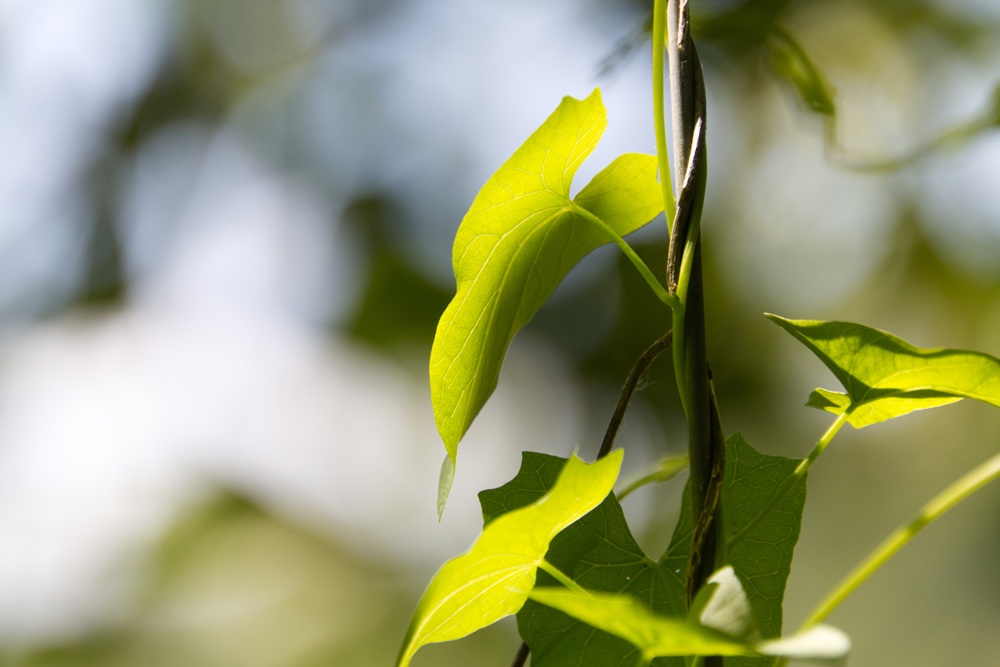
Enhance your garden with the beauty of climbing plants. This guide makes it easy to grow lush greenery on arches, providing expert advice on choosing the right plants, training them, and keeping them healthy. With the right techniques, even small spaces can become vibrant, vertical gardens full of life and color.
Choosing the Right Climbing Plants for your Arch
When choosing the best climbing plants for arches, consider key factors that will help your garden arch flourish and become a stunning focal point. First, assess your climate and choose plants that will flourish in your region. For example, if you live in a milder climate, Clematis varieties are an excellent choice. With their vibrant blooms and varied colours, they can add a dramatic touch to any garden. In warmer regions, Bougainvillea is a stunning option with its vivid, papery flowers that thrive in full sun. Additionally, think about the growth habits of the plants you choose. Some climbers, like Wisteria, can become quite heavy and may require a more robust support structure, whereas lighter climbers like sweet peas offer a more delicate option.
A visually appealing look is another important factor to consider when selecting the best climbing plants for arches. Think about the overall look you want to achieve, such as a classic, rustic, or modern style. Roses, for instance, are perfect for a romantic, traditional garden, offering an abundance of fragrant blooms. Passionflower, with its exotic appearance, is ideal for those seeking a unique and striking addition. It's important to think about the balance between evergreen and deciduous plants. Evergreen climbers, such as Ivy, provide year-round coverage, while deciduous options like Honeysuckle offer seasonal interest with their flowers and berry-producing capabilities. By carefully selecting the right climbing plants, you can create a stunning and enduring feature that enhances the beauty of your garden arch.
Preparing your Garden Arch for Planting
Before planting, it’s important to learn how to grow plants on a garden arch by correctly preparing both the arch and the surrounding soil. The first step is selecting the right location for your garden arch. Choose a spot that receives ample sunlight, as most climbing plants thrive with plenty of light. Consider the arch's visibility in your garden; placing it along a path or at an entrance can create a striking visual effect. Once you've found the perfect location, the next task is to ensure the structural stability of your arch. Whether it's made of wood, metal, or another material, ensure it is anchored securely into the ground. This stability is especially important for supporting vigorous climbers that can become quite heavy over time.
The next step involves preparing the soil for optimal plant growth. Start by clearing the planting area of any weeds and debris, which can compete with your climbing plants for nutrients and water. Then, enrich the soil with organic matter such as compost, well-rotted manure, or peat moss, which will enhance its fertility and drainage capabilities. It's important to turn the soil to a depth of at least 30 centimetres to ensure the roots of your climbers can establish themselves effectively. Consider conducting a soil test to determine its pH and nutrient levels, making any necessary amendments to create the best possible environment for your chosen plants. By taking these preparatory steps, you'll lay a strong foundation for the health and beauty of the plants on your garden arch.
The Process of Planting Climbing Plants
To make sure your climbing plants establish healthily, follow this step-by-step guide. First, unpot your chosen plant and gently tease out its roots if they are tightly bound. Plant the climber at an angle, positioning it about 30-45 centimetres away from the base of the arch to allow roots adequate space to spread. Ensure the plant is facing the arch to encourage initial growth in the right direction. As you plant, ensure the root ball is level with the surrounding soil, then backfill with a mix of garden soil and organic compost, firming it gently to remove air pockets.
Next, make sure to space your plants correctly and provide proper initial care to help them thrive on your garden arch. Here’s a quick guide to help you:
- Watering: Water the plants thoroughly after planting, ensuring moisture penetrates to the root zone.
- Mulching: Apply a layer of mulch around the base to retain moisture and suppress weeds.
- Spacing: Maintain adequate spacing between multiple plants to prevent overcrowding, which can inhibit growth and airflow.
- Initial Support: Gently tie young growth to the arch with soft ties, encouraging the plants to climb.
- Monitoring: Keep an eye on the plants for the first few weeks, ensuring they receive consistent care.
By following these steps, you’ll set your climbing plants on the path to thriving naturally and beautifully over your garden arch, creating a lush and inviting garden feature.
Techniques for Training Vines on an Archway
Training vines on an archway successfully involves using careful techniques to guide their growth and keep them well-supported as they climb. Start by gently tying the young, flexible shoots to the archway with soft garden ties or twine. It is important to avoid using materials that might cut into or damage the stems. Loosely tying the shoots at regular intervals encourages the plants to follow the contours of the archway, ensuring an even coverage. As the plants grow, regularly inspect the ties and adjust them as necessary to accommodate the expanding stems, which prevents binding and promotes healthy growth. Directing growth and pruning are essential parts of training, helping to create a well-maintained and visually appealing display.
To direct growth, gently weave the shoots through the arch structure, encouraging them to fill gaps and maintain a balanced appearance. Regular pruning is essential to remove any dead or damaged growth, which stimulates new shoots and improves air circulation, reducing the risk of disease. Aim to prune during the dormant season for deciduous plants or immediately after flowering for evergreen varieties. This stimulates flowering and ensures that the archway remains a vibrant garden feature throughout the growing season. By employing these techniques, you will cultivate a lush and well-formed display that enhances your garden's beauty.
How to Secure Plants to your Garden Arch
Understanding how to secure plants to an arch is crucial to support their growth and ensure the longevity of your garden feature. One of the most common methods is using garden ties, which are typically made from soft, flexible materials like rubber or fabric. These ties provide support without damaging the delicate stems of the plants. When using ties, ensure they are not too tight; a loose loop allows for natural movement and growth. Position the ties at intervals, starting near the base and moving upwards as the plant grows, to encourage even distribution and support along the arch.
In addition to ties, clips offer a simple and reliable method for attaching plants to an arch. Garden clips come in various sizes and are easy to adjust, making them a versatile option for different stem thicknesses. They can be particularly useful for heavier or more vigorous climbers that require extra support. Additionally, consider using mesh or netting for plants with finer stems, such as sweet peas, providing a structure for the tendrils to grip. Regardless of the method chosen, regular checks and adjustments are essential to accommodate plant growth and prevent constriction. By employing these techniques, your garden arch will not only support healthy plant development but also showcase a stunning array of climbing plants, enhancing your outdoor space.
Ongoing Care for your Garden Arch Plants
Proper plant care for garden arches keeps climbing plants healthy, vibrant, and thriving throughout the seasons. Begin with a regular watering routine, ensuring the soil remains consistently moist but not waterlogged. Most climbing plants benefit from deep watering once a week, which encourages deep root growth. During particularly hot or dry spells, increase the frequency to maintain adequate moisture levels. Mulching around the base of the plants can help retain soil moisture and regulate temperature, providing an added layer of protection. Providing nutrients is another important part of maintaining healthy climbing plants on garden arches.
A balanced slow-release fertiliser applied in spring can provide essential nutrients throughout the growing season. For specific flowering climbers, consider using a fertilizer high in potassium to encourage more blooms. Pest management is also crucial; regularly inspect your plants for signs of pests such as aphids or spider mites. Use organic pest control methods when possible, such as neem oil or insecticidal soap, to minimise harm to beneficial insects. Finally, seasonal pruning is essential to remove dead or diseased wood, promote new growth, and maintain the desired shape of your plants. Pruning also helps improve air circulation, reducing the risk of fungal diseases. By following these care practices, your garden arch will remain a stunning feature year-round.