
Gazebo trends in the UK: Modern vs Traditional Wooden Gazebo Designs
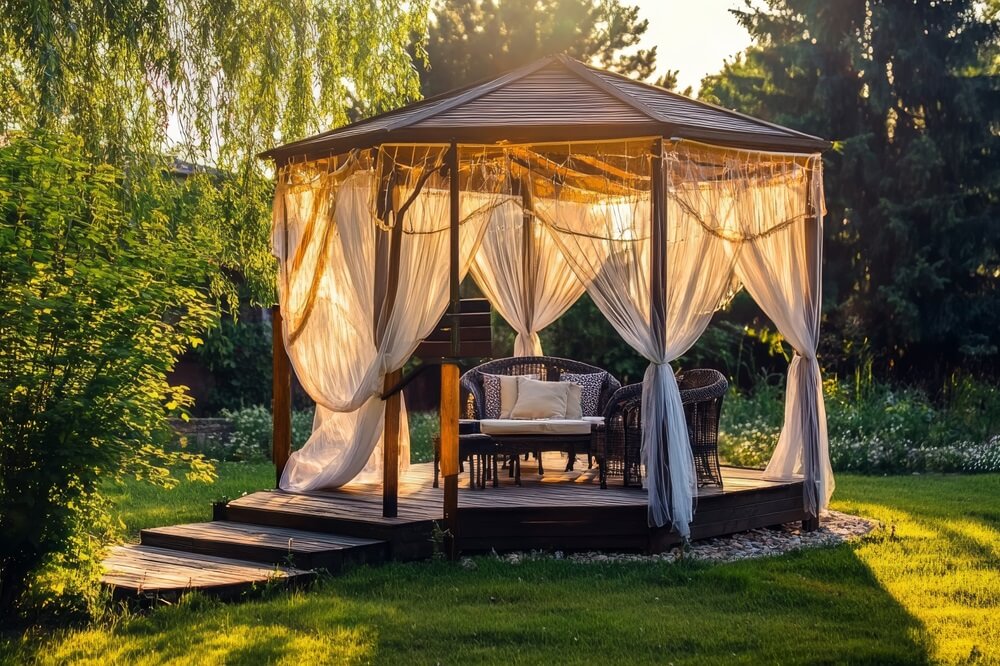
Step into the world of wooden gazebos in the UK and explore the styles that can transform your garden. From classic, traditional designs to sleek, modern trends, there’s a gazebo to suit every outdoor space. These structures aren’t just visually appealing - they create a cosy spot to relax, entertain, or enjoy the beauty of your garden. With so many options available, finding the perfect gazebo to match your style and needs has never been easier.
The evolution of wooden gazebo designs
The design of wooden gazebos has witnessed a remarkable transformation over the decades, reflecting both aesthetic preferences and advances in construction materials. Traditionally, gazebos were considered a quintessential feature of English gardens, serving as elegant structures for leisure and gatherings. Early designs were heavily influenced by classical architecture, often featuring ornate details and intricate woodwork. Over time, these classic gazebos became symbols of sophistication and style, seamlessly blending into lush landscapes. However, with the changing times, new influences and materials have given rise to modern gazebo designs, marking a significant shift in gazebo trends in the UK.
Modern wooden gazebos, while retaining some elements of their classic predecessors, boast minimalist aesthetics and streamlined construction. The difference between modern and classic gazebos lies not only in their visual appeal but also in their functionality and material usage. Modern gazebos often incorporate sustainable materials and innovative design elements, focusing on durability and ease of maintenance. Traditional gazebos were usually made from rich, heavy woods, while modern designs often use lighter, more flexible materials to suit today’s needs. This blend of old and new keeps the classic charm of wooden gazebos alive while adding practical updates, making them a popular and timeless feature in British gardens.
Characteristics of modern wooden gazebos
Modern wooden gazebos have grown in popularity thanks to their clean lines and minimalist style. They’re designed not just to look good, but to be practical, bringing a contemporary feel to any outdoor space. Unlike traditional, ornate gazebos, modern versions focus on simplicity and functionality. Built with innovative materials and construction methods, they’re strong enough to withstand the weather, making them a long-lasting addition to your garden. Their open designs also create a flexible space that can be used for anything from alfresco dining to a peaceful reading corner.
When planning a garden upgrade, one key question arises: "Which gazebo design suits my garden?" - considering both the style and the intended use of the space. Modern gazebos are ideal for gardens that embrace a more contemporary look, complementing sleek, modern architecture and minimalist landscapes. They can be customised with features like built-in lighting, heating, or even retractable roofs, enhancing their functionality. Modern gazebos combine style and practicality, perfect for those who want both beauty and versatility in their garden. Choosing the right design comes down to your personal taste and your garden’s existing features, creating a space that feels balanced and inviting.
Classic appeal of traditional wooden gazebos
Traditional wooden gazebos are beloved for their timeless charm and classic elegance. Often made from strong, rich woods like oak or cedar, they provide a solid structure and develop even more character as they age. With decorative touches like turned posts, detailed shingles, and latticework, these gazebos become a beautiful focal point in any garden. Unlike modern minimalist designs, traditional gazebos bring a sense of nostalgia and heritage, making them perfect for anyone who loves vintage style and classic garden aesthetics. When considering how to style a traditional gazebo, it is essential to complement its historical design with suitable furnishings and decor.
Opt for classic garden furniture made from wrought iron or teak, and incorporate soft textiles like cushions and throws in muted tones to create a cosy and inviting atmosphere. Adding climbing plants such as ivy or wisteria can enhance the gazebo's romantic appeal, integrating it naturally with the surrounding landscape. In discussing the difference between modern and classic gazebos, traditional gazebos offer an enduring beauty that harks back to simpler times, providing a serene escape within your garden. A traditional gazebo can be styled to suit personal taste, whether it’s for afternoon tea or quiet moments of reflection.
Choosing the right gazebo for your outdoor space
Choosing the right gazebo for your outdoor space involves thoughtful consideration of your garden's layout and your personal style preferences. When deciding on a gazebo for your garden, it’s important to think about the size and shape of the space you have. Smaller gardens work well with compact, modern gazebos with clean lines, so the structure doesn’t feel overpowering, while larger gardens can handle a grand, traditional gazebo that makes a striking statement. Also, consider your garden’s style and your home’s architecture - modern gazebos pair nicely with contemporary houses and minimalist landscapes, while traditional gazebos add timeless charm to classic or rustic settings.
Understanding the functional needs of your outdoor space is also essential in the decision-making process. In the debate of modern vs traditional gazebos, modern designs are often chosen for their versatility and practicality, offering features like built-in seating or advanced weatherproofing. Traditional gazebos, on the other hand, are favoured for their aesthetic value and ability to evoke a sense of nostalgia, making them ideal for creating a serene retreat. The right gazebo should fit your garden, match your style, and serve its purpose - whether for entertaining, relaxing, or adding visual appeal.
Integrating gazebos with garden landscapes
Integrating gazebos into your garden requires attention to both style and practicality, taking inspiration from the latest gazebo trends in the UK. These trends highlight the growing popularity of creating seamless transitions between indoor and outdoor spaces, enabling gazebos to serve as versatile extensions of the home. One successful approach is to choose a gazebo design that complements the existing architectural style and natural features of the garden. For instance, a modern gazebo with sleek lines can provide a striking contrast to lush greenery, while a traditional gazebo can blend harmoniously with a cottage garden setting, enhancing its quaint charm.
Incorporating a gazebo into your garden also involves practical considerations such as positioning and purpose. Ideally, the gazebo should be placed in a location that maximises views and sunlight, while offering a sense of privacy and shelter from the elements. When considering how to style a traditional gazebo, opt for decor that enhances its classic appeal, such as vintage furniture, soft lighting, and climbing plants. For both modern and traditional gazebos, consider adding pathways or decks to create a welcoming approach and define the space. By carefully selecting and styling your gazebo, you can transform it into a focal point that enhances the landscape, offering a serene retreat or an inviting space for social gatherings.
Future directions in gazebo design
Emerging gazebo trends in the UK point towards a heightened emphasis on eco-friendly materials and energy-saving features. Designers are increasingly exploring the use of sustainable woods, recycled materials, and solar panels to create gazebos that reduce environmental impact and enhance functionality. The integration of smart technology is another exciting development, allowing homeowners to control lighting, temperature, and even audio systems through smart devices, transforming gazebos into innovative outdoor living spaces.
Future designs may further blur the lines between the two, combining the charm of traditional aesthetics with contemporary innovations. For example, a traditional gazebo could incorporate modern conveniences such as retractable roofs or infrared heaters, offering the best of both worlds. Conversely, modern gazebos might adopt classic design elements to create a more timeless appeal. As the demand for sustainable and adaptable outdoor structures grows, gazebo designs will continue to evolve, reflecting broader trends in architecture and lifestyle while meeting the diverse needs of homeowners.