
Garden Pavilions vs Gazebos: What's the Difference?
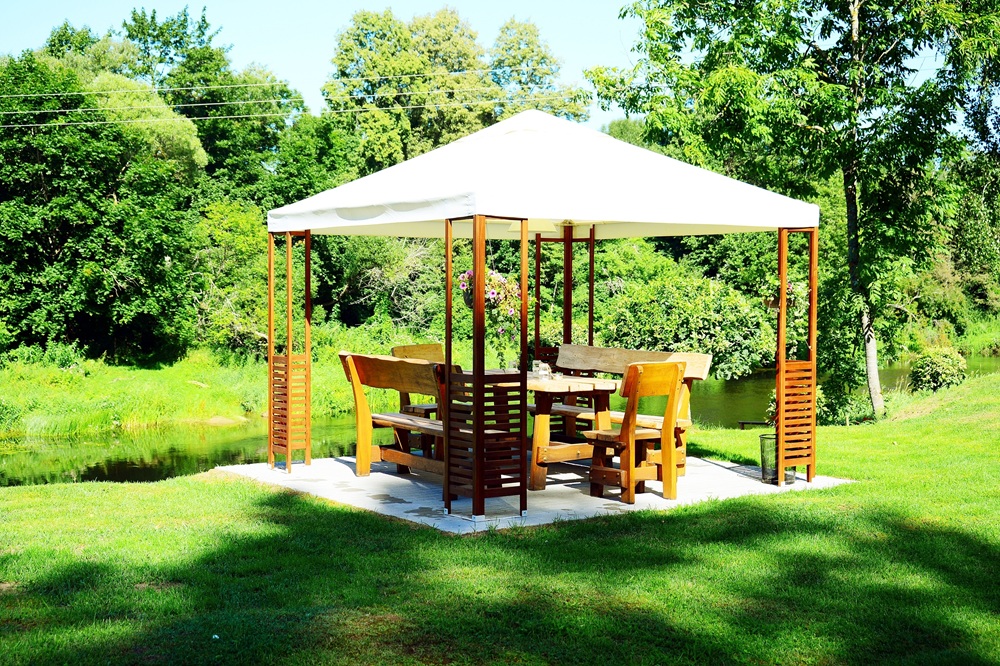
Deciding between a garden pavilion and a gazebo can elevate your outdoor space, creating a stylish and serene retreat. Consider their unique features and benefits to choose the option that best suits your garden and lifestyle, ensuring a perfect blend of function and charm.
Understanding Garden Pavilions
When envisioning an outdoor space that invites relaxation and leisure, one might ask, what is a garden pavilion? A garden pavilion is a freestanding structure that often serves as a focal point in a landscape. Unlike other types of garden structures, pavilions are typically open on all sides, offering unobstructed views of the surrounding garden while providing shelter from the elements. The design of a garden pavilion can range from simplistic to elaborate, showcasing a variety of architectural styles that can complement different garden themes and personal tastes.
Garden pavilions are versatile and can be used for a multitude of purposes, such as:
- Hosting social gatherings and alfresco dining
- Creating a serene space for meditation and relaxation
- Providing a shaded spot for reading and enjoying nature
- Enhancing the aesthetic appeal of your garden with its architectural design
Available in materials like wood, metal, or even modern composites, these structures are not only functional but also enhance the visual charm of any garden. Placed amid greenery or as a focal point, a pavilion brings elegance to any garden, showcasing your style while providing a tranquil retreat.
Exploring Gazebos
A gazebo is a charming and versatile outdoor structure, typically with a polygonal shape, often featuring a roof and open sides that allow for unobstructed views of the surrounding landscape. Unlike a pavilion, which is more open, gazebos usually have a more enclosed feel, sometimes including railings or built-in seating. Their distinct architectural details make them a popular choice for many garden designs. Gazebos can be found in various styles, ranging from classic Victorian designs to contemporary minimalist aesthetics, offering an appealing option for any garden theme.
The popularity of gazebos in gardens is due to their ability to create a focal point and provide a sheltered space for relaxation and entertainment. Common types of gazebos include wooden gazebos with intricate carvings, metal gazebos that offer a sleek modern appeal, and vinyl gazebos known for their low-maintenance durability. Gazebos offer the perfect blend of function and beauty, often serving as a retreat for reading, enjoying tea, or hosting small gatherings. This adaptability makes them a valuable addition to any garden, enhancing both its aesthetic appeal and functional value.
Key Differences Between Garden Pavilions and Gazebos
What is the difference between a gazebo and a pavilion?. Pavilions are typically characterised by their open-sided construction, allowing for panoramic views and easy access to the surrounding garden. They are often larger and more spacious, designed to accommodate various activities like outdoor dining and social gatherings. Conversely, gazebos tend to have a more defined structure with an enclosed feel, usually featuring railings and possibly a built-in seating area. This design offers a more intimate space, ideal for smaller gatherings or a secluded retreat.
When deciding between a gazebo vs pavilion, the best choice depends on how you plan to use the space and the look you want to achieve. Pavilions are frequently constructed with sturdy materials like wood or metal, providing durability and a sense of permanence. Gazebos, on the other hand, can be made from a variety of materials, including wood, metal, or vinyl, each offering different benefits in terms of maintenance and appearance. The choice of material not only affects the structure's longevity but also its visual impact within the garden. Both structures improve outdoor living, but each has unique features, so the choice depends on your style and needs.
Choosing the Right Garden Shelter for your Needs
Learning how to choose a garden shelter can help you create an outdoor space that is both beautiful and practical. When selecting between garden pavilions and gazebos, consider the size of your garden. Pavilions, with their larger footprints and open designs, are well-suited to expansive gardens where they can serve as focal points for grand gatherings and outdoor dining. Conversely, gazebos are often more compact, making them ideal for smaller gardens or intimate settings where you may want a cosier, defined space for relaxation or socialising.
Weather and usage are key factors when deciding between a pavilion and a gazebo. In regions with frequent rain or strong sun, a pavilion’s open, sturdy design offers plenty of shelter while keeping the space airy and comfortable. On the other hand, a gazebo’s more enclosed style provides extra protection from wind or harsh sunlight, making it ideal for a cosy, sheltered retreat. Think about how you plan to use your garden shelter: a pavilion works well for entertaining guests or hosting gatherings, thanks to its spacious layout, while a gazebo creates a perfect spot for relaxing, reading, or enjoying some quiet time. Ultimately, the best choice depends on your personal style, practical needs, and the unique features of your garden.
Is a Gazebo or Pavilion Better for you?
Wondering is a gazebo or pavilion better for your garden? The answer depends on your space, style, and how you plan to enjoy your outdoor area. Pavilions, with their expansive open designs, offer flexibility for various activities. They are excellent for hosting large gatherings or creating an outdoor dining area, making them a versatile choice for those who frequently entertain guests. The open sides facilitate airflow and provide panoramic views, connecting you seamlessly with your garden environment. However, this openness may not offer as much protection from wind or rain, which could be a consideration in certain climates.
In contrast, gazebos are often more enclosed, providing a cosy environment that offers better protection from the elements. This makes them ideal for intimate settings, such as reading nooks or small family gatherings. A gazebo's defined structure can also bring a sense of intimacy and enclosure, which might appeal to those seeking a private retreat within their garden. Consider the aesthetic you're aiming for, as well. Pavilions work well in large, open gardens, while gazebos suit both big and small spaces. Ultimately, the decision depends on the style and function that match your outdoor lifestyle and garden.
Maintenance and Care for Garden Pavilions and Gazebos
Both structures, crafted from a variety of materials, benefit from routine inspections to identify any wear or damage. For wooden pavilions and gazebos, it is crucial to apply a protective sealant annually, which guards against moisture and UV damage. This task is best performed in the spring, allowing the wood to be well-protected through the summer and winter months. Inspect for any signs of rot or insect damage, and replace affected parts promptly to prevent further deterioration.
Metal gazebo components should be checked for rust, especially after damp winters, and treated with rust-resistant paint to protect exposed surfaces. Vinyl and composite materials need less maintenance, but still benefit from regular cleaning with mild detergent to keep them looking their best. Seasonal tasks include clearing away debris like leaves and snow, which can add unnecessary weight and moisture. It’s also important to maintain the roofing material by checking for leaks or damage, especially after severe weather. Keeping up with these seasonal tasks ensures your garden structures stay in top condition, preserving both their beauty and durability year after year.