
Child-Friendly Garden Structures: Safe Design Ideas for Families
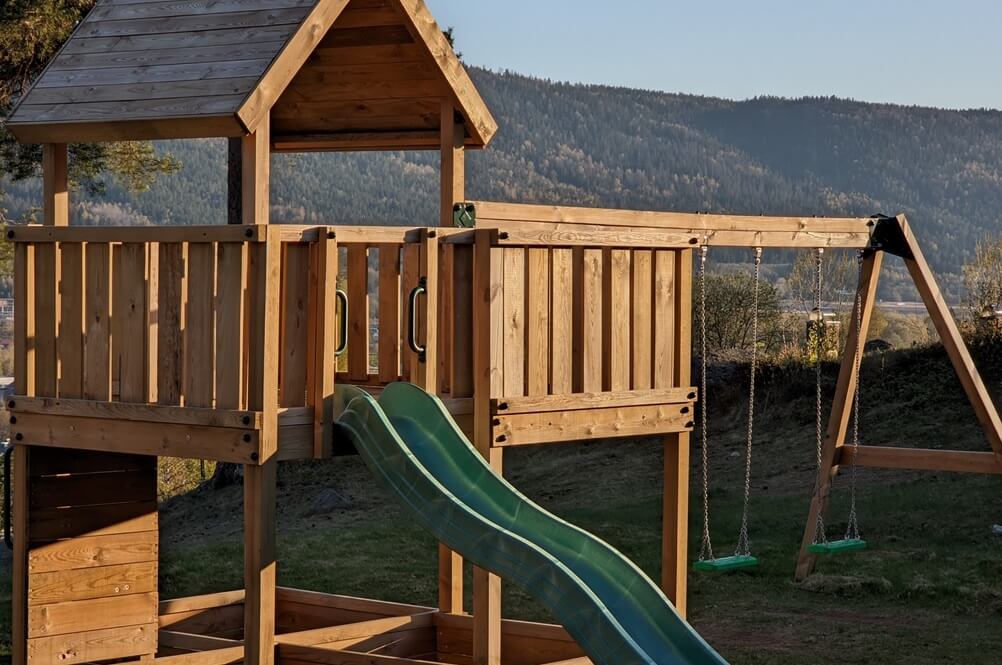
Picture a garden filled with laughter, where children can explore and play safely, and every corner sparks curiosity. Designing a space that is both enjoyable and secure can seem tricky, but with the right ideas, it’s entirely possible. From soft play areas to safe pathways and cleverly hidden hazards, you can transform your garden into a fun, family-friendly haven. With a little thoughtful planning, your outdoor space becomes a place where kids can adventure freely and adults can relax, knowing everyone is safe and happy.
Why choose child-friendly garden structures
When designing a family garden, safety should be a top priority. Parents often seek child safe garden ideas that create a worry-free environment where children can explore and play without constant supervision. To achieve this, incorporating features that minimise hazards is essential. Start by selecting non-toxic plants. Many common garden plants can be harmful if ingested, so it's crucial to research and choose varieties that are safe for children. Opt for plants with soft leaves and avoid those with thorns or sharp edges to prevent injuries during play.
Another important aspect is ensuring the garden surfaces are child-friendly. Consider using rubberised play mats or natural grass instead of hard paving stones or gravel, which can pose a tripping hazard. These surfaces not only cushion falls but also provide a comfortable area for children to run and play barefoot. Additionally, integrating fencing or barriers around water features and potentially dangerous garden tools is a prudent measure to keep curious little ones safe. Overall, combining creativity with safety in garden design allows families to enjoy the outdoors together with peace of mind.
Creative wooden structures for children's play
Incorporating wooden garden features for kids can significantly enhance the functionality and visual appeal of family gardens. Wooden structures such as playhouses and climbing frames are not just durable, but also blend perfectly with the natural surroundings, adding a rustic charm that synthetic materials often lack. These structures provide endless opportunities for imaginative play, allowing children to transform a simple wooden frame into a pirate ship, a castle, or a jungle gym. The versatility of wood makes it an ideal choice for creating bespoke play areas tailored to a child's interests and developmental needs.
Wooden structures aren’t just beautiful - they’re also strong and durable, standing up to the weather while giving children a safe place to play and explore. Unlike plastic play equipment, well-cared-for wooden features age gracefully, often gaining charm and character over time. Wood is also a sustainable choice, making it a great option for families who want to be environmentally friendly. Adding wooden garden features can spark adventure and creativity, encouraging kids to be active, develop their motor skills, and connect with the natural world around them.
Design principles for a family-friendly garden
Understanding how to design a family-friendly garden involves creating a space that accommodates the diverse needs and activities of all family members. One successful strategy is to zone the garden into distinct areas, each dedicated to a specific purpose. For instance, you might establish a play zone equipped with swings and sandboxes for younger children, while reserving a quiet corner with a bench or hammock for adults to relax. These delineated spaces ensure that everyone can enjoy the garden without compromising on their individual activities.
Employing soft landscaping techniques can further enhance the garden's appeal and usability. Use a mix of grass, flower beds, and shrubbery to create a visually pleasing yet practical environment. Soft surfaces add aesthetic value and provide safe play areas for children. Pathways lined with hardy, low-maintenance plants can guide movement through the garden, ensuring accessibility while enriching the sensory experience. By combining functionality with beauty, your garden can become a versatile extension of your home, fostering family bonds and creating cherished memories.
Safety considerations for gazebos in gardens
When thinking about adding a gazebo to your garden, a key question often arises: are gazebos safe for children? Gazebos can be a charming and functional part of a family garden, providing shade and a comfortable outdoor space for relaxation and play. However, ensuring their safety requires careful consideration of structural stability and placement. Begin by choosing a gazebo constructed from solid materials that can withstand various weather conditions. A well-anchored structure is crucial to prevent accidents, especially in areas prone to strong winds. Regular
maintenance, such as checking for loose fittings or wear and tear, further enhances safety.
Placement of the gazebo is equally important for maintaining a safe environment. Position it on level ground away from potential hazards like water features or steep drops. Incorporate soft edging or plantings around the structure to create a cushioned border, minimising the risk of injury should a child fall while playing nearby. To make the gazebo more appealing and child-friendly, consider adding mosquito netting or curtains to protect against insects and create a cosy retreat. By addressing these safety considerations, gazebos can be a delightful addition to your garden, enriching family life while ensuring peace of mind.
Planning play-friendly garden layouts
Designing play-friendly garden layouts is an exciting opportunity to create a dynamic outdoor environment that inspires children to explore and engage with nature. One successful approach is to incorporate open grassy areas which provide a versatile space for a range of activities, from impromptu football matches to relaxed picnics. These open spaces offer children the freedom to run and play, fostering physical activity and imaginative games. Additionally, incorporating pathways for bikes and scooters encourages movement and adventure, allowing children to navigate the garden safely while developing their motor skills.
Integrating various textures and elements can further stimulate sensory play and enhance the garden’s appeal. Consider using materials such as gravel, bark, or sand to create distinct zones that invite tactile exploration. Raised beds filled with fragrant herbs or colourful flowers can engage the senses of smell and sight, while water features can add soothing sounds and opportunities for splash play. By thoughtfully planning these elements, your garden becomes a stimulating playground that nurtures creativity, discovery, and enjoyment for children of all ages.
Balancing aesthetics and safety in garden design
Creating a garden that is both visually appealing and safe for children involves a delicate balance of aesthetics and function. When considering child safe garden ideas, integrating natural materials such as wood, stone, and plant life can enhance the garden's beauty while contributing to a safe environment. For instance, wooden structures can be treated to prevent splinters, while stone pathways can be laid with smooth edges to reduce the risk of trips and falls. Using these materials in thoughtful ways ensures that safety does not compromise the natural charm and elegance of your garden space.
Colour schemes also play a crucial role in garden design, offering an opportunity to create a warm and inviting atmosphere. Opt for plant palettes that blend harmoniously with your garden's overall theme, using bright, non-toxic flowers to add vibrancy and interest. Incorporating visual harmony, such as symmetrical planting schemes or balanced layouts, can create an orderly yet lively setting. By carefully selecting and positioning elements, you can craft a garden that delights the senses and provides a secure environment for children to explore with confidence and joy.