
Best Woods for Outdoor Garden Structures: Redwood, Larch & More
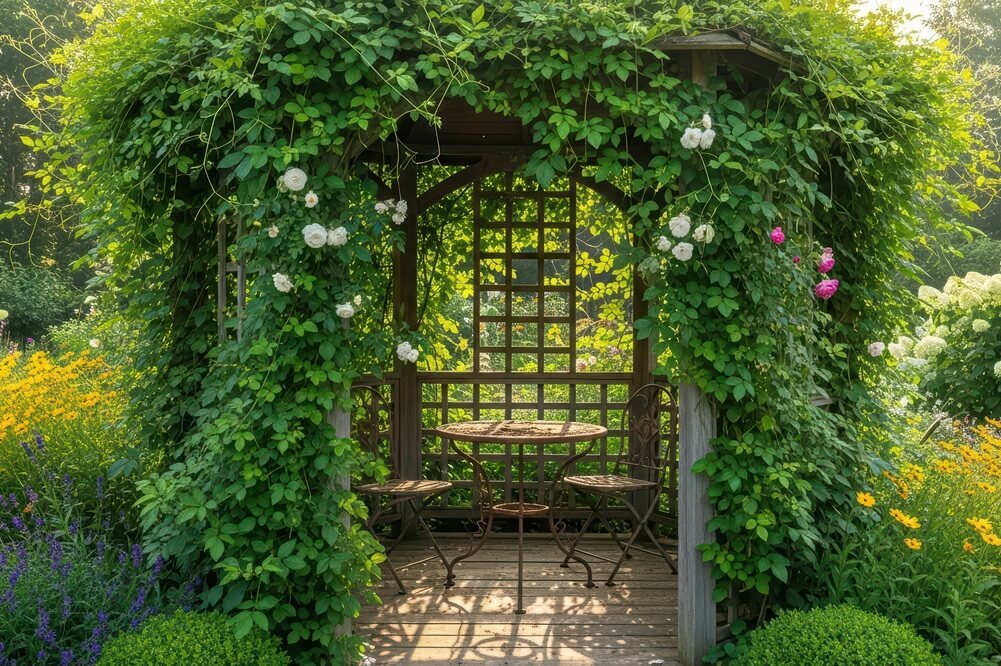
Choosing the right wood can make all the difference when building outdoor garden structures that last. Imagine a sun-dappled garden with a sturdy pergola or a charming arbour, standing strong year after year. Redwood, with its warm hues and natural resistance to decay, adds elegance and longevity, while larch offers durability and resilience against harsh weather. From a cosy garden bench to a climbing rose trellis, the right wood ensures your creations stay beautiful and functional for seasons to come, with each grain telling its own story.
Guide to selecting durable and beautiful wood for your outdoor projects
Picture yourself planning the perfect garden retreat - a pergola draped in climbing roses, a gazebo for lazy summer afternoons, or a charming shed tucked into a quiet corner. The type of wood you choose becomes the backbone of that vision, shaping not just the strength and longevity of your structure, but also how naturally it blends into your garden. Knowing the unique qualities of different woods can help you make choices that marry beauty with resilience. Durability quickly rises to the top of the list, especially when facing the wear of sun, rain, and pests. That’s why woods like cedar and cypress, with their natural resistance to moisture, decay, and insects, are often favoured - they promise a structure that stays strong and stunning through the years.
As you imagine your garden coming to life, another key factor emerges: how well the wood can withstand the elements. Rain, wind, and sun can take their toll, so choosing materials that resist warping, cracking, or splitting is essential. This is precisely where knowing what wood is best for garden buildings becomes invaluable, guiding you toward choices that endure season after season. At the same time, the beauty of the wood - its colour, grain, and how it gracefully ages - should complement your garden’s overall design. The ideal wood strikes the perfect balance between durability, weather resistance, and visual charm, ensuring that your pergolas, gazebos, and sheds remain both stunning and sturdy for years to come.
The benefits of using redwood for outdoor projects
Imagine creating a garden space that radiates both warmth and strength. Redwood stands out for its natural resistance to decay and insects, making it an excellent choice for outdoor structures that need to endure over time. Its unique cellular structure provides stability, reducing warping and shrinking even in areas with changing weather conditions. In addition to its practical benefits, redwood offers rich, warm tones that enhance the beauty of any garden, blending naturally with plants and flowers. Used for pergolas, decks, or gazebos, redwood delivers lasting durability while adding a touch of elegance to your outdoor space.
Many people ask whether redwood is durable for outdoor use, and the answer becomes clear when you consider its natural resilience. With the right care, such as applying a protective sealant or stain, redwood can withstand moisture and the sun’s UV rays, keeping its beauty and strength intact for many years. Simple routines like regular cleaning and refreshing protective coatings every few years help the wood maintain its condition, allowing it to endure the changing seasons without losing its charm. These qualities make redwood a favourite for those who want garden structures that combine lasting performance with a sense of elegance and natural beauty.
Larch wood: a versatile option for garden constructions
Larch wood is celebrated for its remarkable versatility, making it a popular choice for many garden constructions. Its natural strength and durability come from its dense grain, which provides robustness and a natural resistance to water and changing weather. This makes larch an excellent option for outdoor projects that face constant exposure to the elements. One of its standout qualities is its use as a weather-resistant wood for pergolas, where it can endure harsh conditions without losing structural integrity. Pergolas built from larch remain strong and reliable over the years, combining practicality with lasting beauty in any garden setting.
Beyond its practical benefits, larch offers visual advantages that enhance any garden setting. Its distinct, warm hues range from pale browns to reddish-browns, providing a natural elegance that complements both traditional and modern garden designs. Over time, larch weathers to a beautiful silvery-grey patina, adding a timeless appeal to outdoor spaces. Additionally, larch is relatively easy to work with, making it a favourite among builders and DIY enthusiasts alike. Whether constructing pergolas, garden furniture, or other structures, larch's combination of resilience and beauty ensures it is a versatile and valuable addition to any garden project.
Exploring cedar and its uses in garden designs
Cedar is a time-honoured choice for garden designs, revered for its distinctive aroma and exceptional properties that make it ideal for outdoor use. Known for its natural resistance to rot, decay, and insect damage, cedar is one of the most durable woods available, ensuring that garden structures and furniture crafted from it will stand the test of time. Its stability ensures minimal shrinking and warping, even in variable weather conditions, making it a reliable option for outdoor applications. Additionally, cedar's lightweight nature makes it easy to handle and work with, further enhancing its appeal among gardeners and builders seeking both functionality and aesthetic charm.
One of the main reasons cedar is favoured in garden designs is its aesthetic versatility. Its natural, warm colours range from pale amber to rich brown, which can complement a wide variety of garden styles and landscaping themes. When considering wood types for garden furniture, cedar stands out not only for its resilience and beauty, but also for its ability to blend seamlessly with natural surroundings. Over time, cedar develops a stunning silvery-grey patina, adding to its timeless appeal. Whether used for constructing pergolas, benches, or decking, cedar's combination of durability and visual appeal makes it an outstanding choice for enhancing any garden environment.
Maintenance tips for extending the life of wooden structures
Proper maintenance is crucial for extending the life of wooden structures in your garden, ensuring they remain both functional and beautiful for years to come. Regular upkeep protects your investment and enhances the natural characteristics of the wood. A key aspect of maintenance is sealing the wood to prevent moisture penetration, which can lead to rot and decay. Applying a high-quality sealant or wood preservative annually can significantly increase the lifespan of your structures. Additionally, cleaning the wood surfaces regularly to remove dirt and mildew is essential, as these can degrade the wood over time. Gentle washing with soap and water, followed by a thorough rinse, is often sufficient for routine care.
Deciding what wood is best for garden buildings is only the first step; understanding the care each type of wood requires is just as important. Woods such as cedar and redwood need little attention thanks to their natural resistance to the elements, though occasional staining or oiling can boost both their appearance and lifespan. Other types of wood may demand more frequent treatment to stay in good condition. Keeping an eye out for signs of damage, like cracks or splits, allows for timely repairs and prevents more serious issues. In the end, a well-cared-for wooden structure not only retains its practical function but also enhances the visual and environmental harmony of your garden.
Sustainable wood options for eco-friendly gardening
As the world becomes increasingly aware of the environmental impact of construction materials, choosing sustainable wood options for garden structures is more important than ever. Sustainable woods are those harvested responsibly, ensuring minimal impact on the ecosystem and supporting biodiversity. Certified woods, such as those bearing the FSC (Forest Stewardship Council) label, guarantee that they come from well-managed forests. By selecting sustainable wood, you not only contribute to environmental conservation but also ensure the longevity and quality of your garden structures. These woods often combine the strength and aesthetics needed for various applications, making them ideal for eco-conscious gardening.
Among the sustainable options, certain types stand out for their resilience to weather, a crucial consideration for outdoor constructions. For instance, larch and cedar are highly regarded as weather-resistant wood for pergolas, providing both durability and beauty. These woods require minimal chemical treatments, reducing the environmental footprint further. By opting for weather-resistant choices, gardeners can construct pergolas and other structures that withstand the test of time while maintaining an eco-friendly approach. Ultimately, selecting sustainable wood for garden projects not only enhances the aesthetic and functional aspects of your outdoor space but also aligns with a commitment to preserving the natural world for future generations.